






Disclaimer :- The health benefits mentioned are drawn from existing research found online and are provided for informational purposes only. They are not intended to substitute professional medical advice, diagnosis, or treatment. It's essential to consult with a qualified healthcare professional before making any changes to your health regimen based on this content.
want to feel calmer? improve your digestion? sleep better? herbal tea could help with all of these.
herbal tea isn’t just a caffeine-free swap for your usual cuppa. the health benefits of herbal tea actually go quite a bit deeper than that. the compounds in herbal teas work gradually. you won't notice a sudden change. but over time, the effects stack up.
you begin to notice changes when you step back and compare how you felt a month ago. changes could include better focus, improved digestion and sound sleep. in short, it can just make getting through the day feel a bit easier.
if you want to get the health benefits of herbal tea without much effort, buy herbal tea bags online and explore different blends from home.

what is herbal tea?
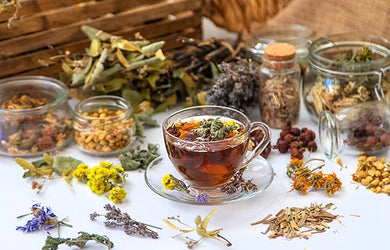
herbal tea is often referred to as tisane because it’s not the same as traditional tea. it’s a healthy and delicious infusion made from a variety of plants (including herbs, flowers, fruits and spices) rather than traditional tea leaves.
these infusions offer a wide range of flavours and aromas – from the honey-like notes of chamomile to the refreshing minty taste of peppermint. and along with their amazing taste, come the health benefits of herbal tea, such as helping digestion, reducing stress and boosting immunity. additionally, as they don’t come from the caffeine-rich camellia sinensis plant, herbal teas don’t contain any caffeine. this makes them a soothing choice for any time of day.
Herbal Tea Benefits
with countless varieties available, herbal tea can cater to individual tastes and wellness needs. while it’s difficult to discuss all of them, let’s check out some of the health benefits of herbal teas.
1. eases digestion
stomach troubles are annoying. that bloated feeling after lunch, nauseous for no clear reason, the cramping that makes you want to curl up. most people reach for antacids or just wait it out. actually, herbal tea benefits faster than you'd think.
• ginger has been helping people sort out upset stomachs. the gingerol in ginger root is the compound doing the heavy lifting – it's an antioxidant that fights inflammation. research backs up the fact that ginger may help with nausea, pain and inflammation throughout your digestive tract.
let’s see how the herbal tea benefits you. ginger stimulates digestive enzymes, so your body breaks down food more efficiently instead of letting it ferment in your stomach. it also blocks the brain signals that trigger nausea. the lemon and ginger tea from teapigs combines this with citrus oils that help your body process fats properly.
• chamomile herbal tea benefits by calming intestinal cramping and reducing general upset. the flavonoids in chamomile work as antioxidants while relaxing your digestive muscles. if stress hits your stomach first, chamomile reduces both the physical discomfort and the tension driving it.
• peppermint herbal tea benefits through its menthol content. it relaxes smooth muscle tissue in your gut. that helps brilliantly for bloating and that overly full sensation. it's particularly effective for irritable bowel syndrome – studies show it genuinely reduces cramping rather than just masking symptoms temporarily.
2. minimises inflammation
inflammation is how your body protects itself against infections and injuries. that's fine when it's short-term. problems start when inflammation becomes chronic, sticking around for longer periods. then, it damages tissues. this persistent inflammation contributes to several problems. the health benefits of herbal tea include genuinely reducing these problems.
• rooibos tea is a solid choice. research shows it’s packed with antioxidants that fight free radicals – those unstable molecules that can damage cells. by reducing this oxidative stress, the herbal tea benefits by helping prevent dna damage and tone down inflammation.
• ginger contains gingerols and shogaols – compounds that block inflammatory pathways in your body. similar to what ibuprofen does, except they don't wreck your stomach. regular ginger tea drinkers often notice less joint stiffness and muscle soreness, particularly if they're dealing with arthritis or post-exercise inflammation.
• chamomile is also helpful. it has a flavonoid (apigenin) that reduces inflammatory markers throughout your system. a study on arthritis patients found that drinking chamomile twice daily for six weeks reduced their symptoms and tender joint counts.
• liquorice root has a compound (glycyrrhizin), which reduces inflammation in your gut and airways. that's why it helps with sore throats and respiratory issues. peppermint is anti-inflammatory too. the cooling feeling isn't just a sensory experience from menthol. it's genuinely reducing inflammation in your mucous membranes.
3. boosts immune system
your immune system keeps you from getting knocked down by every infection. when it's working properly, you recover faster and get sick less often. herbal tea benefits include genuinely supporting your body's defences through specific compounds that boost immune function.
• ginger is antiviral and antibacterial. the compounds interfere with viral replication and bacterial growth – fresh ginger has been shown in studies to fight respiratory viruses directly. they neutralise harmful molecules that damage cells and weaken immunity.
research shows that ginger reduces inflammation, which matters because chronic inflammation exhausts your immune system. the lemon and ginger tea from teapigs combines this with citrus oils and vitamin c. this herbal tea benefits your immunity further.
• chamomile stimulates immune cell activity. studies show it increases hippurate levels in urine. in simple words, it’s a marker of increased compounds that fight bacterial infections. people who drink chamomile tea regularly during the cold season tend to get sick less often. when they do, symptoms are milder.
• liquorice root is an adaptogen. which means the herbal tea benefits may help the body handle stress more evenly. because stress affects immunity, this can have a gentle knock-on effect.
• peppermint contains rosmarinic acid, which has antimicrobial and antiviral effects.
4. aids weight loss
herbal tea benefits won't melt fat all by drinking them, but they’re known to support weight management in certain ways.
• peppermint tea helps control appetite through scent and taste. research shows the fragrance affects your hypothalamus – the control centre of your body. it does that by triggering satiety signals earlier than normal.
it was found that people who inhaled peppermint scent consumed about 300-400 fewer calories throughout the day. drinking a cup before meals often means you eat less without feeling deprived. the menthol provides a refreshing satisfaction that curbs cravings for high-calorie snacks. while it doesn't directly burn fat, peppermint's digestive benefits mean your body processes food more efficiently.
• ginger boosts thermogenesis – your body's heat production – which slightly increases calorie burn. it also improves insulin sensitivity, helping your body handle glucose more efficiently rather than storing it as fat. the lemon and ginger combination adds another benefit. lemon polyphenols have been shown in studies to reduce weight gain and fat accumulation, particularly visceral fat around organs.
• liquorice root affects cortisol metabolism. high cortisol drives abdominal fat storage, and liquorice contains compounds that modulate how your body processes stress hormones. it's a subtle effect. but for people whose weight issues are tied to stress and cortisol dysregulation, it makes a noticeable difference.
5. relieves stress
we all feel stressed sometimes, and little daily habits can make a big difference. herbal tea benefits won’t fix everything, but some can help you feel calmer.
• chamomile tea is the most reliable. studies show that the herbal tea benefits can reduce anxiety, especially for people with generalized anxiety disorder (gad). in simple words, it’s when worry and nervousness feel constant and overwhelming.
chamomile’s active compounds, like apigenin, work on brain pathways that help you relax. they work on the same receptors targeted by anti-anxiety medications. just far more gently.
• peppermint reduces mental fatigue and tension headaches. studies suggest that the scent of peppermint may reduce stress and anxiety. it does that probably by influencing areas of the brain that handle emotions. the menthol improves blood flow, and the scent itself triggers relaxation responses. if you're stressed and wired rather than anxious and tired, peppermint is more useful than chamomile.
• liquorice root affects how the body handles cortisol, the hormone linked to stress. it slows the breakdown of cortisol, which means the hormone can stay active a little longer. for some people with low cortisol, this may help the body cope better with stress. that said, it isn’t suitable for everyone and is best enjoyed in moderation.
how to brew herbal tea for maximum benefits
if you want to get the most out of herbal tea benefits, brewing technique matters more than you'd think.
• a good rule of thumb is one tea bag or roughly a teaspoon of loose herbs per cup.
• heat filtered water until it’s just boiling, then pour it over your tea bag or herbs.
• place a lid to cover the cup or teapot while the tea steeps. this helps trap heat and preserve the aromatic oils.
• steeping time can be anywhere from five to ten minutes. use the recommended time for the herbal tea you’re making.
• when it’s ready, remove the tea bag (or strain the herbs) and have it warm. if you want to sweeten the drink, add some honey. although many herbal teas taste wonderful without adding anything, honey enhances the flavour.
• for a smoother taste, try cold brewing. you can do that by leaving the tea bags or herbs in cold water in the fridge for several hours. takes longer, but creates a nice cold tea.
conclusion
herbal tea benefits won’t fix everything, but they do more than most people realise. different teas tackle different issues – ginger for your stomach, chamomile when you can't sleep, peppermint when you're bloated.
the thing is, the benefits show up gradually. you might notice your digestion improving after a week or two. maybe you're not as stiff in the mornings, or you're actually sleeping through the night. small changes, but ones that genuinely make your day better.
the nice thing is that it's neither difficult to make nor boring. there are plenty of flavours and variations to try from teapigs. find which herbal tea benefits you more and have it regularly.
FAQs about Herbal Tea
q. what are the benefits of herbal tea?
a. the benefits of herbal tea span both body and mind. research backs some of this; traditional use backs the rest. some of them are:
• chamomile calms you down and helps you sleep better.
• peppermint settles an upset stomach and eases stress.
• ginger fights inflammation while sorting out digestive troubles.
• lemon and ginger together support your immune system.
q. is it okay to drink herbal tea every day?
a. absolutely. regular consumption is actually when you notice herbal tea benefits most. the antioxidants, vitamins and minerals work cumulatively – better digestion, stronger immunity, improved sleep all build over time with daily drinking. research even suggests that older adults who drink herbal tea regularly maintain better mobility and independence as they age.
q. what is the healthiest herbal tea to drink daily?
a. there isn’t one herbal tea that’s healthier than all the rest. it really comes down to what your health goals are at the moment. some of the popular ones are ginger & lemon, peppermint, chamomile, liquorice & mint, rhubarb & ginger and lemongrass. the real health benefits of herbal tea show up when you choose a tea that’s aligned with what your health needs are.
q. which herbal teas have the most benefits?
a. each herbal tea benefits the body in a slightly different way. no herbal tea has more benefits than the rest across the board. that’s why herbal teas are usually chosen for a specific purpose. it depends on how you’re feeling and what your body needs at the time.
More on Health Benefits Blogs
Black tea benefits | Green tea benefits | Herbal tea benefits | Peppermint tea benefits | Chamomile tea benefits | Rooibos tea benefits | Raspberry leaf tea benefits | Oolong tea benefits | Nettle tea benefits | Benefits of kombucha tea | Cinnamon tea benefits