






The short answer? Yes, does tea expire is a real question, but probably not in the way most people think.
Tea does have a best-before date, but unlike many foods in your pantry, it rarely becomes unsafe to drink once that date passes. What usually happens is that the flavour, aroma, and colour gradually fade over time.
So if you've just found a forgotten box of tea that's a few months past its best-before date, don't panic. In most cases, it's still perfectly fine to brew. The date on the box is usually about peak flavour, not safety.
What "best before" actually means on a tea box
A lot of people confuse "best before" with "use by", but they're not the same thing.
A use-by date relates to food safety. A best-before date is about quality.
Tea carries a best-before date because manufacturers indicate when they expect the tea to taste its freshest and most flavourful. After that date, the tea is usually still drinkable. It just may not taste quite as vibrant as it once did.
The main exception is if the tea has been exposed to moisture. In rare cases, damp tea can develop mold.
If you're unsure, a quick smell and visual check is usually all you need.
How to tell if your tea has gone stale
If you're wondering does tea go bad, the answer is usually that it goes stale before it goes bad.
Here are a few signs to look for:
Smell
Fresh tea should have a noticeable aroma.
Open the packet, tin, or tea temple and give it a sniff. If the scent is faint or almost non-existent, the tea may be past its best.
Colour when brewed
Fresh tea generally brews a brighter, richer colour.
Stale tea often produces a paler and duller-looking cup.
Taste
This is usually the biggest giveaway.
If the tea tastes weak, flat, or lacks its usual character, it's probably lost some freshness.
Visible mould or clumping
If you notice moisture, unusual clumping, or visible mould, it's best to discard the tea.
When in doubt, brew a small cup. If it tastes good, it probably is good.
How long does tea last? Shelf life by tea type
Different teas have different levels of stability.
The biggest factor is oxidation.
Fully oxidised teas, such as black tea, generally last longer because they've already gone through the oxidation process. More delicate teas like green tea are less stable and lose freshness faster.
Herbal teas are often the most stable of all.
Tea shelf life guide
|
Tea type |
Best before |
Does it go bad? |
Example teapigs tea |
|
2 years |
Loses flavour, rarely unsafe |
Everyday Brew, Earl Grey Strong |
|
|
1 to 2 years |
Goes stale faster |
Mao Feng Green Tea |
|
|
Herbal and fruit tea |
2 to 3 years |
Very shelf stable |
Chamomile, Peppermint, Lemon Ginger |
|
Chai |
2 years |
Spice aroma fades |
Chai Tea |
|
2 years |
Naturally stable |
Honeybush and Rooibos |
These ranges assume proper storage, which is where most tea goes wrong.
Why does green tea go stale the fastest
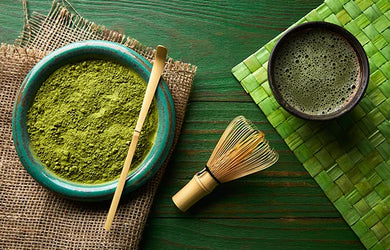
Green tea is one of the most delicate tea varieties available.
Because it's minimally processed, it contains natural oils that give it its fresh, grassy flavour. These oils gradually degrade when exposed to air, light, and heat.
That's why many tea lovers choose to buy green tea in smaller quantities and enjoy it within a year for the best flavour experience.
A premium tea like teapigs Mao Feng Green Tea is particularly worth enjoying while it's at its freshest.
Why does herbal tea last the longest
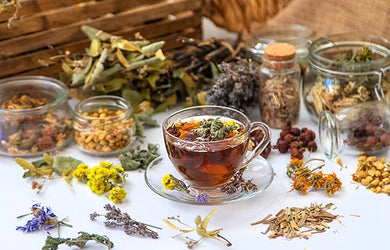
If you've ever wondered, "Does herbal tea expire?”, the good news is that herbal teas are often the most forgiving.
Chamomile, peppermint, rooibos, and lemon ginger teas don't contain actual tea leaves. Instead, they're made from dried flowers, herbs, roots, and other botanicals that tend to remain stable for longer.
When stored correctly, herbal teas can often maintain good flavour for two to three years.
Good news if you're the sort of person who keeps a tea collection for every mood.
How to store tea properly: the four rules
If you're searching for how to store tea, these four simple rules make all the difference.
1. Keep it airtight
Air is tea's biggest enemy.
Exposure to oxygen slowly causes tea to oxidise and lose flavour.
Once opened, tea should always be stored in an airtight container. If your tea comes in resealable packaging, make sure it's properly sealed after every use.
For tea stored in tins, always replace the lid immediately after brewing.
This is also considered the best way to store loose-leaf tea, as it helps preserve aroma and flavour for longer.
2. Keep it away from light
Sunlight and UV exposure can gradually degrade tea.
A cupboard or opaque tin is ideal.
While glass jars may look beautiful, they're best stored inside a dark cupboard rather than displayed on a sunny shelf.
This is particularly important for green tea, which is more sensitive to light than black tea.
3. Keep it dry and never in the fridge
One of the biggest mistakes people make when learning how to store tea is putting it in the fridge.
It sounds sensible, but refrigeration introduces moisture through condensation.
Even small amounts of moisture can affect flavour and, in extreme cases, encourage mould.
A cool, dry cupboard at room temperature is usually the best place to store tea.
It's also worth keeping tea away from steam produced by kettles and stovetops.
4. Keep it away from strong smells
Tea absorbs surrounding aromas surprisingly easily.
That's great when it's absorbing flavour during brewing. Not so great when it's stored beside spices, coffee, or cleaning products.
A dedicated tea tin, cupboard shelf, or drawer works best.
Delicate teas such as green tea and white tea are especially prone to picking up unwanted smells.
A dedicated tea tin on the bench is both practical and a lovely way to display your collection.
The freshest tea is the one you enjoy most
Tea doesn't suddenly become undrinkable the moment it passes its best-before date.
In most cases, the biggest change is flavour.
By storing tea properly, keeping it airtight, dry, and away from heat and light, you'll enjoy fresher-tasting cups for much longer.
Because great tea deserves to taste its best.
FAQs
Can you drink tea past its best-before date?
In most cases, yes. Tea is usually still safe to drink after its best-before date, although the flavour and aroma may not be as strong.
How do you know if tea has gone bad?
A weak aroma, flat flavour, pale brew colour, or signs of moisture and mould can indicate that tea is past its best.
Should you store tea in the fridge?
Generally no. Refrigeration can introduce moisture through condensation, which may affect freshness and flavour.
What is the best container to store tea in?
An airtight tin or container stored in a cool, dark cupboard is usually the best option for maintaining freshness.
Does loose-leaf tea last longer than tea bags?
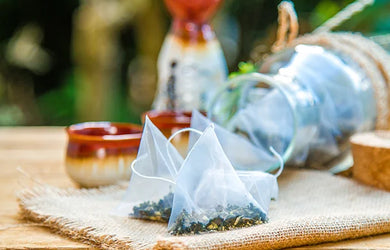
The overall tea shelf life depends more on storage conditions than format. Both loose-leaf tea and tea bags can stay fresh for a long time when stored properly, though many tea drinkers consider airtight storage the best way to preserve loose-leaf tea's flavour.