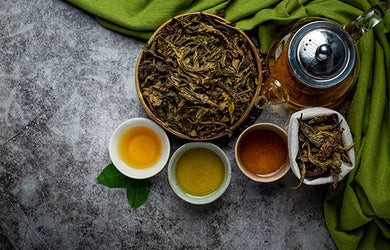







let’s begin with the similarities. the first thing you notice is the colour – bright green. both matcha and green tea catch the eye and are instantly recognisable. one more thing they have in common is their origin. they both come from the same plant. what follows, however, creates two teas that couldn’t feel more different.
their flavour, their texture, even the way you prepare them – all of it changes depending on which one you choose. one is rich and bold, while the other is light and delicate. we'll come back to this thought when we explore what makes them so distinct in the sections that follow.
in our matcha vs green tea comparison, we’ll start with what green tea and matcha are. we’ll then dive into how they’re grown and processed. you’ll discover different preparation methods and flavours, the health benefits of each and common myths.
what is green tea? what is matcha?
in our discussion of matcha vs green tea, let’s start with what each one is all about. both come from the camellia sinensis plant, but the similarities mostly stop there. the first noticeable difference in matcha tea vs green tea is how they are made.
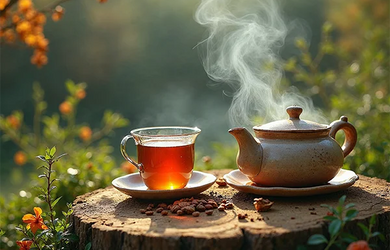
green tea is made from whole leaves that are plucked and carefully dried. they are then pan-fired. it’s a process of lightly heating them in a pan or wok to prevent oxidation and preserve the delicate flavour.
once processed, they are ready to be enjoyed. they are then used to make tea by steeping in hot water. this releases a light and fresh flavour. the delicate profile makes the tea enjoyable throughout the day. making it is also easy – takes only a few minutes, and it almost always tastes right.
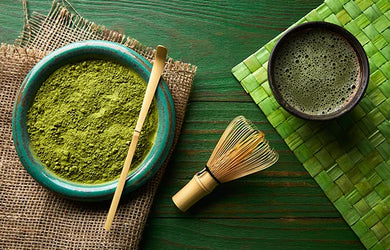
matcha, in contrast, comes from leaves that are shaded for several weeks before harvest. this extra step intensifies the colour and changes the composition of the leaves a bit. after harvesting, the leaves are steamed, dried and then stone-ground into a fine powder. it’s this powder that’s used to make tea.
that’s right, instead of steeping the leaves, matcha powder is whisked directly into water or milk. this gets you a richer and more concentrated drink. preparing matcha vs green tea needs a few extra steps, but it’s easy to get the hang of.
later, we’ll take a closer look at various aspects of both the teas, from how they’re made to how they taste. the comparison will help you notice the difference between matcha and green tea.
growing & processing differences
while both matcha vs green tea come from the camellia sinensis plant, the way they are grown and processed is quite different. these differences affect not only their appearance but also their flavour and the health benefits they offer.
cultivation: sunlight vs. shade
one of the main differences between matcha tea vs green tea is how the plants are grown. green tea plants are usually grown in full sunlight. this leads to the development of catechins and antioxidants that give the leaves a slightly astringent taste.
matcha tea plants, on the other hand, are shaded for 4 to 8 weeks before harvest. the shade increases their chlorophyll content. that gives the leaves a brilliant green colour. it also boosts amino acids, especially l-theanine. this adds a savoury sweetness to matcha. these growing methods create several differences in matcha vs green tea.
harvesting and processing: whole leaves vs. powdered form
there is an important difference between matcha and green tea harvesting. the entire green tea leaf is plucked – including stems and veins – and then subjected to heating to stop oxidation. the leaves are then rolled, dried and packaged.
it’s not so in matcha production. only the youngest and tender leaves are selected for matcha. these leaves are heated to prevent oxidation and dried. these dried leaves are called tencha. they are then converted into a fine powder. this powder is packaged and sold.
regional variations
location also plays a part in the difference between matcha and green tea. climate, soil, and local growing practices all influence the flavour. that’s why teas from different regions can taste slightly different.
preparation methods & taste
when it comes to matcha vs green tea, the way you prepare each one is one of the most obvious differences. green tea is straightforward. you take the dried leaves, steep them in hot water for a few minutes, and the tea is ready to drink. the flavour is light, fresh and slightly grassy. green tea is so easy to prepare that it becomes part of your day without much effort.
matcha is a little different. instead of steeping leaves, you use a fine powder made from ground leaves. to prepare it, you measure the powder into a bowl and whisk it with hot water until it’s smooth and frothy.
it might seem like extra effort, but it becomes easy once you get used to it. you can also mix matcha with milk to make a matcha latte. the result is a more concentrated and creamier flavour.
when comparing matcha vs green tea, the difference in flavour is immediately noticeable. green tea is light, fresh and slightly grassy. its delicate taste works well throughout the day. matcha, on the other hand, has a richer, more complex profile. it has a vegetal grassiness paired with a mix of slight sweetness and savoury umami notes.
in fact, the taste of matcha can vary depending on grade and preparation. ceremonial-grade matcha tends to be sweeter and smoother, while culinary-grade is more robust. water temperature, the matcha-to-water ratio, and even whisking technique – all influence the final flavour.
comparing matcha vs green tea – matcha takes a little more effort to prepare, but the payoff is worth it. in contrast, green tea is simple, easy and delicate in taste.
health benefits of matcha tea vs green tea
when we compare matcha vs green tea, we see that both come from the same plant – camellia sinensis. but their health benefits aren’t exactly the same. the way each tea is processed plays a big role in what it offers your body.
antioxidants
when we look at matcha vs green tea, matcha has a higher concentration of antioxidants. it’s loaded with egcg (epigallocatechin gallate), which may help protect your cells from stress and inflammation. the reason is straightforward – you’re drinking the whole powdered leaf.
green tea, by comparison, is just steeped, and the leaves aren’t consumed. that means a cup of green tea has fewer antioxidants than the same amount of matcha. that small difference means matcha has a more concentrated dose of nutrients.
heart health
when we compare matcha vs green tea, both can be good for the heart. green tea has been linked to lower blood pressure and reduced “bad” ldl cholesterol. matcha has the same qualities. however, because it contains more antioxidants, it might give a bit more support for cardiovascular health. drinking either tea regularly can be helpful to your heart’s health.
cognitive and mental clarity
when we look at matcha vs green tea, both contain an amino acid (l-theanine) that helps you feel calm without making you sleepy. the difference is in the effect – matcha has more of l-theanine and caffeine. that gives a gentler and longer-lasting boost of energy and focus. this combination can help you stay clear-headed and even a bit more productive, for longer.
metabolic support
looking at matcha vs green tea, both teas can give a bit of a boost to your metabolism. this may help with fat oxidation to some extent. matcha has a higher concentration of nutrients, which may have a slightly stronger effect.
common myths
in our discussion of matcha vs green tea, it’s important to clear up some common myths that often surround them.
myth 1: all matcha tastes the same
matcha can vary a lot. ceremonial grade comes from young and tender leaves and has a bright green colour with a smooth, gentle taste. culinary grade is stronger and slightly bitter.
myth 2: green tea alone will cause weight loss
while green tea can support weight loss to a certain extent, it certainly can’t make a huge difference on its own. the help comes from its metabolism-boosting properties, but the real results come from a healthy diet and regular exercise. they are still essential for weight loss.
myth 3: green tea has no caffeine
some people think green tea is caffeine-free. it’s not. a standard cup of this tea has about 30–50 mg of caffeine – less than coffee, but enough for a gentle boost.
conclusion
when we look at matcha vs green tea, it’s clear that both have something special to offer. green tea is light, delicate and easy to make anytime. matcha, on the other hand, requires a bit more effort. whisking the bright green powder into a frothy drink takes a little practice, but the rich and creamy flavour makes it worth the extra steps.
their growing and processing methods explain much of this difference – sunlight for green tea, shade for matcha. the result is two teas that don’t just look different but also vary in flavour, texture, and even the benefits they offer.
in the end, neither is better than the other. it comes down to what you’re looking for!
faqs on matcha tea vs green tea
q. which is better, green tea or matcha?
a. comparing matcha vs green tea to decide which is better isn’t simple – it really comes down to what you’re looking for. green tea is lighter, quicker to prepare and refreshing enough to enjoy at any time of day. matcha, in contrast, is creamier and has a stronger dose of antioxidants. if you want simplicity, green tea works well. if you’re after something more concentrated and layered, matcha may be a better choice.
q. is matcha tea safe during pregnancy?
a. matcha tea can be safe during pregnancy, but it’s best to keep an eye on how much you drink. like green tea, it contains antioxidants that are generally good for your health. the main concern is caffeine, which is more in matcha than in regular green tea. too much caffeine during pregnancy can affect the baby’s development.
q. is it okay to drink matcha tea every day?
a. you can enjoy matcha tea every day – in fact, many people do. it gives a gentle boost of energy and is full of antioxidants. the only thing to keep in mind is caffeine, as matcha has a higher content than regular green tea. so one to two cups a day is usually the sweet spot. if you’re sensitive, just pay attention to how your body responds and adjust the amount or when you drink it.
q. is matcha better than green tea for anxiety?
a. when comparing matcha vs green tea, both can help you feel calmer. that’s because they contain an amino acid that helps you relax without making you sleepy. the difference between matcha and green tea is that matcha has higher levels of this amino acid and a bit more caffeine. that means it provides a stronger boost of alertness. green tea still soothes, but more lightly and delicately.