





you've probably noticed matcha popping up everywhere – coffee shops, instagram feeds, your mate's kitchen shelf. the bright green powder has gone from a niche tea-ceremony ingredient to a mainstream morning drink. and it's not just because it looks good on social media.
people drink matcha for energy, for focus, sometimes just because they like how it tastes. but before you swap your flat white for a matcha latte, there's one question worth answering – “does matcha have caffeine?” and if it does, how much caffeine in matcha are we talking about?
the short answer is yes. the longer answer involves numbers, comparisons to coffee, and why matcha's caffeine feels different from the stuff in your morning espresso. stick around, and we'll sort through it.

what is matcha?
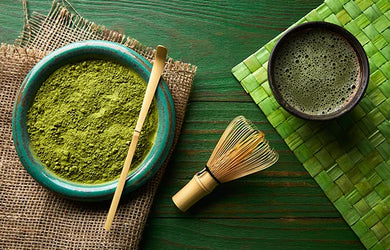
matcha is a type of green tea made from tea leaves grown in the shade. this growing method enhances their flavour, colour and caffeine content. speaking of caffeine content, let’s answer the question – “does matcha have caffeine?”. yes, it does! we’ll get to the other question, “how much caffeine is in matcha tea?” shortly.
after the leaves are harvested, they’re steamed, dried and then ground into powder. matcha tea is made by whisking this powder into a liquid, unlike traditional green tea, where the leaves are steeped in hot water. this process helps matcha release outstanding nutrients and flavour – something that has fascinated tea enthusiasts globally.
if you’re wondering how it tastes, it’s a unique blend of earthy, grassy and slightly sweet notes – a profile that goes well in lattes, smoothies and baked goods.
what is caffeine?
now that we’ve sorted "does matcha have caffeine?" – let's talk about what caffeine is and why it matters. caffeine is a natural stimulant found in tea leaves, coffee beans and cocoa. when you drink it, caffeine blocks adenosine receptors in your brain. adenosine is the chemical that makes you feel sleepy.
by blocking this chemical, caffeine keeps you alert and focused. your heart rate picks up slightly, blood pressure rises a bit, and suddenly that morning task seems doable. it's one of the reasons why millions of people reach for tea or coffee before they start the day – caffeine provides the much-needed boost.
when you have too much, though, things may go sideways. your hands shake, your heart races, and you might feel restless. the line between helpful energy and feeling completely wired is narrower than most people realise.
which brings us back to matcha – does matcha have caffeine in amounts that cause those problems? usually not – and we'll explain why in a minute.
how much caffeine is in matcha tea?
let’s discuss the numbers. how much caffeine in matcha depends on how much powder you use. matcha contains between 19 and 44 milligrams of caffeine per gram of powder. high-quality matcha contains around 34mg per gram of powder. the real question isn't just "does matcha have caffeine" but how much caffeine is in matcha tea per cup.
most people use 1 to 2 grams when making a cup – that's roughly half a teaspoon to a full teaspoon. so one serving gives you somewhere between 38 and 88 milligrams of caffeine, depending on how strong you like it.
make a proper thick matcha using 2 grams? you're looking at 70-90mg. go lighter with just half a teaspoon? more like 40-50mg. the quality matters too – ceremonial grade matcha from younger leaves tends to have more caffeine than culinary grade.
when you look at how much caffeine is in matcha tea and realise it matches or exceeds a weak cup of coffee, you'd expect it to feel the same. but that’s not the case.
so does matcha have caffeine that works differently? absolutely! matcha contains an amino acid (l-theanine) that slows down how your body absorbs caffeine. instead of a sharp spike followed by a crash, you get a steadier energy boost. your brain stays alert for longer.

matcha caffeine vs coffee: which is stronger?
when people ask about matcha caffeine vs coffee, they usually want to know which one hits harder. the answer isn't straightforward.
an average cup of coffee (about 240ml) contains roughly 95mg of caffeine, though it can range from 70 to 140mg depending on how it's brewed. a standard serving of matcha – about 2 grams whisked into water – has around 60-70mg. so, does matcha have caffeine less than coffee? yes – coffee has more. but not by much.
that prompts another question. does matcha have caffeine that behaves differently, though? yes, that’s where the real difference is between matcha caffeine vs coffee. coffee’s caffeine absorbs quickly. you get an immediate buzz, which is brilliant when you need a quick energy boost. but there may be a downside – the sudden crash.
in contrast, matcha's caffeine takes its time. the amino acid (l-theanine) helps in giving focused alertness by encouraging alpha brain waves. this reduces the edgy feeling. the energy builds more gradually and lasts longer – sometimes up to 4-6 hours. you stay steady instead of feeling too energised or lethargic.
there's also the serving size factor. order a large flat white, and you might be drinking 200mg of caffeine or more. make yourself a strong matcha latte, and you're still probably under 100mg unless you've really gone heavy on the powder.
so, matcha caffeine vs coffee isn't just about which has more. it's about how the energy boost is delivered.
health benefits of caffeine in matcha
does matcha have caffeine that actually does you some good? turns out, yes. it’s also worth noting – matcha gives you the whole tea leaf. that means a much higher concentration of antioxidants compared to steeped tea. the caffeine is just one part of what makes it worthwhile.
the combination of caffeine and l-theanine improves mental clarity without making you anxious. changes how caffeine affects you, creating a smoother, longer-lasting energy compared to coffee's sharp spike. you stay alert, but you're not restless or hyperactive.
research suggests matcha can help increase your metabolic rate and encourage fat breakdown. that’s partly because of the caffeine and partly because of catechins – antioxidants found in green tea. it's not a magic weight-loss solution, but it might give your metabolism a slight improvement.
caffeine also affects mood. it boosts dopamine and serotonin, the brain chemicals that help you feel good. combined with matcha's antioxidants, you're getting more than just an energy boost – you're improving overall wellbeing.
how to make matcha
making matcha isn't complicated, but there's a right way to do it.
1. measure: use half a teaspoon to a full teaspoon of matcha powder, depending on how much caffeine in matcha you want. sift it into your bowl – it prevents clumps.
2. add water: pour in about 60-80ml of hot water. not boiling – too hot and you'll ruin the flavour.
3. whisk: grab your whisk and go at it in a quick zigzag motion. you've to aim for a smooth consistency with a bit of froth on top. this takes about 15-30 seconds of whisking.
4. top up: add more hot water if you want a larger serving. keep whisking as you pour to maintain the texture.
that's traditional matcha. if you want to know how to make matcha latte, it's almost the same – just add frothed milk after step 3 instead of extra water. heat your milk, froth it up and pour it over your whisked matcha. you can add honey if you like it sweet.
conclusion
now that we've discussed "does matcha have caffeine?" and “how much caffeine is in matcha tea?” – we know the answers. we also know that it depends on how much powder you use. if we use more, it can have as much caffeine as coffee. but here's the thing – how much caffeine in matcha isn't the full story. the way matcha delivers that caffeine makes all the difference.
the question isn't just "does matcha have caffeine" – it's how it affects you. thanks to l-theanine, matcha gives you energy that builds gradually and lasts longer, without the sharp crash that coffee can bring. want to experience it? just make sure you're buying good-quality matcha. give it a go and see what you think.
faqs on does matcha have caffeine
q. is matcha higher in caffeine than coffee?
a. coffee typically has around 95mg of caffeine per cup, while matcha has between 40 and 90mg. it depends on how much powder you use. so, does matcha have caffeine levels higher than coffee? generally no. there’s also a difference in delivery. coffee gives a quick energy boost, while matcha gives a gradual one and lasts longer.
q. does matcha have more caffeine than green tea?
a. yes, quite a bit more. regular green tea has about 30mg of caffeine per cup because you're only steeping the leaves. with matcha, you're consuming the entire leaf in powdered form, which means you get everything – including 2-3 times the caffeine. does matcha have caffeine comparable to stronger teas? absolutely – it's one of the more caffeinated tea options available.
q. how much caffeine is in a cup of matcha tea?
a. depends on how much powder you use. half a teaspoon gives you roughly 40-50mg. a full teaspoon (about 2 grams) gets you closer to 70-90mg. quality matters too – ceremonial grade matcha tends to have more caffeine than culinary grade. the real answer to "does matcha have caffeine?" is yes, but your intake depends on the quantity.
q. how much caffeine is in 1 teaspoon of matcha?
a. one teaspoon is about 2 grams of powder, which contains roughly 40-88mg of caffeine, depending on the quality. higher-grade matcha from younger leaves has more. does matcha have caffeine that's released differently? yes, because of l-theanine, the caffeine is released slowly. so even though the numbers might look high, it doesn't affect you the way coffee does.