






People have been drinking tea for generations, but how often do we stop to think about what's actually in our cup?
Thousands of tea varieties exist worldwide. Some are everyday favourites, such as green tea and black tea. Others, like yellow tea, oolong and pu-erh, are a little less familiar.
Understanding the different kinds of tea makes it easier to explore new flavours and find a brew that suits you. So, if you've ever wondered about the different tea names, where they come from and what makes them different, you're in the right place.
Tea Plant Camellia sinensis: Source of Different Types of Teas
Most traditional teas come from one plant called Camellia sinensis. It's an evergreen plant that can grow quite tall in the wild. When it's grown for tea, though, it's usually kept shorter. This makes the leaves easier to pick.
The plant has been cultivated for thousands of years, with its history closely linked to China and other parts of Asia.
Two main varieties of Camellia sinensis exist. Camellia sinensis var. sinensis is mainly associated with China and nearby regions. It tends to produce lighter and more delicate teas. Camellia sinensis var. assamica is commonly grown in India and is often associated with stronger, fuller-bodied teas.
What makes the various types of tea different is what happens to the leaves after they're picked. Processing methods such as oxidation, heating and drying can completely change their flavour, colour and aroma.
How Many Types of Tea Are There?
There are six main types of traditional tea: green, black, white, oolong, yellow and pu-erh. They all come from Camellia sinensis, but each goes through a different production process.
Then there's herbal tea, which is a whole different category. Herbal infusions can be made from flowers, leaves, roots, fruit and spices rather than the tea plant.
That gives you plenty of tea types to explore, whether you prefer something fresh and grassy or rich and warming.
Green Tea
Green tea is one of the most widely enjoyed tea styles worldwide. It comes from Camellia sinensis, just like black, white and oolong tea.
The key difference is oxidation. Green tea leaves are heated soon after picking to prevent oxidation. This helps preserve their fresh character and gives green tea its familiar light colour and flavour.
Even within green tea, you'll find a wide range of varieties. Growing conditions, processing methods and the region where the leaves are grown can all influence the final cup.
Mao Feng Green Tea
Mao Feng is a premium green tea from China. It's known for its young, tender leaves and buds.
The leaves are thin and elegant. As they steep, they slowly unfurl, creating a pale green infusion. The flavour is mild and refreshing, with subtle floral and fruity notes.
Some of the most famous Mao Feng teas come from Yellow Mountain in Anhui. Similar styles are also produced in regions such as Yunnan, Fujian and Zhejiang.
Green Mint Tea
Green Mint Tea brings together green tea and peppermint. It's a simple combination, but the flavours work beautifully together.
The green tea brings a gentle fruity sweetness, while peppermint adds a cool, fresh finish. The result is a bright cup with plenty of character.
Black Tea
Black tea is fully oxidised, which gives it a darker colour and a stronger, more robust flavour. It's one of the most popular tea styles worldwide and comes in plenty of different blends.
From a classic morning brew to citrusy Earl Grey and warming chai, there's no shortage of ways to enjoy it.
Everyday Brew Tea Bags
Inside Everyday Brew is a blend of teas from Assam, Ceylon and Rwanda.
The result is bold, rounded and satisfyingly full-flavoured. Enjoy it black or add milk and sugar if that's how you like your cuppa.
It's an easy everyday choice for tea drinkers who like their brew with plenty of character.
Darjeeling Earl Grey Tea Bags
Darjeeling Earl Grey blends bold black tea with bright bergamot.
The Darjeeling leaves are carefully picked, processed, and infused with bergamot oil. This gives the tea its distinctive citrus note without hiding the tea's character.
You get a lovely balance of bold tea and fresh citrus in teapigs Darjeeling Earl Grey.
English Breakfast Tea Bags
English Breakfast is a classic for a reason. It's bold, malty and wonderfully comforting.
The blend combines tea leaves from India, Rwanda and Sri Lanka. Each origin brings something different to the cup, creating a brew that's full-flavoured but smooth.
It's especially lovely with a splash of milk in the morning.
Chai Tea
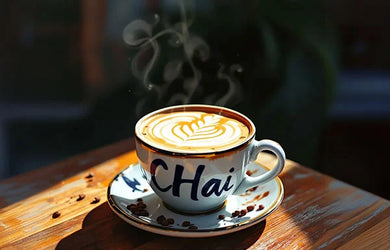
Chai takes black tea and adds a warming mix of spices. Think cinnamon, cardamom and ginger.
It's a beloved style of tea in India, where recipes and spice combinations vary by region.
With teapigs Chai Tea, you don't need to build your spice mix from scratch. Brew it, add milk and sweeten it if you fancy.
Oolong Tea
Oolong sits somewhere between green and black tea in terms of processing. The leaves are partially oxidised, which gives oolong its own distinct character.
Depending on how it's made, oolong can taste floral, fruity, creamy or toasty. It can be a lovely choice if you want something with more depth than green tea but less intensity than some black teas.
It's also one of those tea varieties where exploring different origins and styles can lead to very different tasting cups.
Yellow Tea
Yellow tea is one of the less common types of tea you'll come across.
It starts with a process similar to green tea, but there's an additional step called yellowing. The warm leaves are covered and allowed to rest before being dried.
This creates a smoother, mellower flavour. If you find green tea a little sharp, yellow tea is an interesting style to explore.
Purple Tea
Purple tea comes from kenyan varieties of Camellia sinensis whose leaves naturally develop a purple colour.
The colour comes from naturally occurring pigments in the leaves. Once brewed, the tea can have a gentle earthy flavour and a distinctive appearance.
It's certainly one of the more unusual tea names you'll come across.
Pu Erh Tea
Pu-erh tea gets its name from Pu'er in China, where this style has been produced for centuries.
The leaves go through a fermentation process that gives the tea its deep, earthy character. Some Pu'er teas are also aged, allowing their flavour to develop over time.
If you're curious about teas with a rich, distinctive personality, this is one worth adding to your list.
Herbal Tea
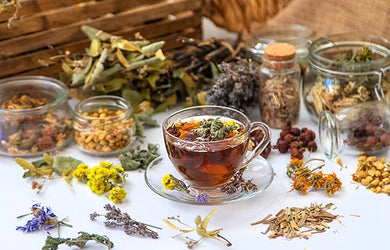
Herbal tea differs from traditional tea categories. Rather than using Camellia sinensis, herbal infusions are made from ingredients such as flowers, leaves, roots, fruit and spices.
That means there's a huge range of flavours to explore. Chamomile is soft and floral. Peppermint is cool and refreshing. Lemon and ginger bring a bright, warming combination.
Chamomile
Chamomile tea is made from dried chamomile flowers. It has a soft, delicate flavour with gentle fruity notes.
Two main types of chamomile are commonly used for tea: German chamomile and Roman chamomile. teapigs uses German chamomile for its fuller flavour and naturally sweet character.
Fun fact: the name chamomile comes from Greek words meaning "earth apple", thanks to its apple-like aroma.
Peppermint
Peppermint tea is refreshingly simple. It's made from peppermint leaves, with no need for a long list of ingredients.
Its naturally occurring menthol gives the tea its unmistakable cool, minty flavour. It's bright, refreshing and particularly lovely when you fancy a caffeine-free cup.
Hibiscus
Hibiscus tea is made from dried hibiscus flowers and is known for its striking red colour.
The flavour is tangy, slightly tart and wonderfully refreshing. Some people even find it reminiscent of cranberry.
It's delicious hot, but you can also enjoy it chilled when you want something a little different.
Conclusion
And there you have it. A little tour through some of the many types of tea you can find around the world.
From familiar green and black tea to less common styles such as yellow, oolong and pu-erh, every type has its own story. The growing region, plant variety and processing method can all shape what's in your cup.
Then there are herbal infusions, which open up an entirely different world of flavours.
The best way to explore? Pick a green tea variety, try a new black tea or brew a herbal favourite you've never had before. You might just discover your new go-to cup.
FAQs on Different Types of Teas
How many types of tea varieties are there?
There are six main types of traditional tea: green, black, white, oolong, yellow and pu-erh. They all come from Camellia sinensis and are processed differently. Herbal teas are a separate category because they don't contain leaves from the tea plant.
What are the 5 different kinds of tea?
There are many kinds of tea, but five popular traditional examples are black, green, white, oolong and pu-erh.
Black tea: English Breakfast, Darjeeling, Earl Grey and Everyday Brew
Green tea: Mao Feng and Green Mint
White tea: Silver Needle and White Peony
Oolong tea: Tieguanyin and Da Hong Pao
Pu erh tea: Shou pu erh and Yunnan brick pu erh
What are the 10 best different types of tea?
There's no single list of the best teas. It really comes down to personal taste.
Ten popular options include English Breakfast, Darjeeling, Earl Grey, Mao Feng, Green Mint, Matcha, Silver Needle, White Peony, Tieguanyin and Da Hong Pao.
What are the top 10 best teas to drink?
That depends entirely on what you like in your cup. Green tea tends to be fresh and delicate, while black tea is bolder. Oolong sits somewhere in between; white tea is light, and pu-erh is earthy.
Herbal options bring even more variety. Chamomile is floral, peppermint is cooling, hibiscus is tart, ginger is warming, and rooibos has a naturally sweet character.
Do all teas come from the same plant?
Not quite. Traditional teas such as green, black, white, oolong, yellow and pu-erh all come from Camellia sinensis.
Herbal teas are different. They're made from ingredients such as flowers, herbs, roots and fruit instead of the tea plant.
What is Camellia sinensis?
Camellia sinensis is the plant used to make traditional tea. Green, black, white, oolong, yellow and pu-erh tea all come from this same plant.
What makes them different is how the leaves are processed after they're picked. The amount of oxidation and other processing techniques shape each tea's flavour, colour, and character.
Is herbal tea actually tea?
Technically, herbal tea is an infusion, not traditional tea. It doesn't contain leaves from Camellia sinensis.