






Most of us make tea on autopilot.
Kettle on. Tea bag in. Splash of milk. Done.
But have you ever made a cup of tea that tasted noticeably better than usual and wondered why?
The truth is, you're probably only one or two small tweaks away from a much better brew. Things like water quality, temperature, steeping time, and the tea itself can have a surprisingly big impact on flavour.
If you've ever wondered how to make tea properly or how to make a good cup of tea at home, this simple guide will walk you through the essentials.
The four things that make or break a cup of tea
1. Start with good water
Tea is mostly water, so it makes sense that the quality of your water matters.
For the best flavour:
-
Use freshly drawn cold water.
-
Avoid reboiling water that's been sitting in the kettle.
-
Filtered tap water is ideal if available.
When water is repeatedly boiled, it loses oxygen, which can leave your tea tasting flat and dull.
A small change. A surprisingly noticeable difference.

Start with freshly boiled water for a better brew.
2. Get the temperature right for your tea type
This is probably the most common tea mistake.
Many people assume every tea should be brewed with boiling water. That's true for black tea, herbal tea, and chai, but not for green tea.
Using water that's too hot can scorch delicate green tea leaves and create bitterness.
Getting the water temperature for tea right can make a surprisingly big difference to flavour.
As a general rule:
|
Tea Type |
Water Temperature |
|
Black Tea |
95 to 100°C |
|
Green tea |
75 to 85°C |
|
Herbal and fruit tea |
100°C |
|
Oolong tea |
85 to 95°C |
|
Chai |
95 to 100°C |
For green tea, let the kettle sit for about 2 minutes after it boils before pouring.
Because teapigs tea temples give whole leaves more room to expand, brewing temperature becomes even more important for bringing out the best flavour.
3. Don't oversteep. Timing is everything
If you've ever wondered how long to steep tea, this is where things get interesting.
Tea that's left brewing for too long releases tannins, which can make it taste bitter and dry.
Tea that isn't brewed long enough often tastes weak and watery.
A quick guide:
|
Tea Type |
Steep time |
|
Black Tea |
3 to 5 minutes |
|
Green tea |
1 to 3 minutes |
|
Herbal and fruit tea |
5 to 7 minutes |
|
Oolong tea |
2 to 4 minutes |
|
Chai |
4 to 5 minutes |
One useful tip? Don't judge your tea by colour alone.
Tea often develops colour faster than flavour, so a dark-looking cup may still need a little more time.
4. Use quality tea. It makes a bigger difference than you think
Not all tea bags are created equal.
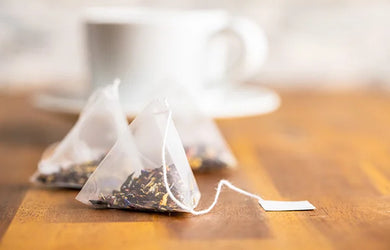
Many supermarket tea bags contain fannings, which are tiny broken pieces of tea leaf. These brew quickly but can often create a harsher flavour.
Whole leaf tea behaves differently.
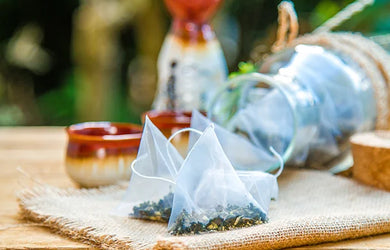
Larger leaves unfurl gradually, releasing flavour more slowly and creating a smoother, more balanced cup.
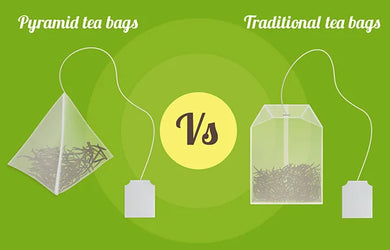
That's why teapigs use tea temples instead of traditional flat tea bags. The extra room allows the leaves to bloom properly, helping you get more flavour from every cup.
Brewing guide by tea type
Think of this section as your quick tea brewing guide whenever you're making a cuppa.
How to brew black tea
Black tea loves freshly boiled water.
Pour 95-100°C water over your tea and steep for 3-5 minutes. Remove the tea temple promptly to avoid bitterness.
If you enjoy milk, add it after brewing rather than before.
Great options include Everyday Brew and Earl Grey Strong.
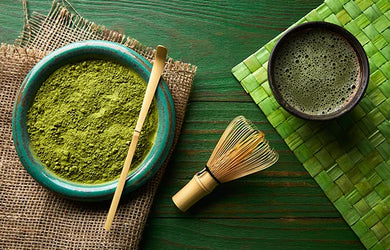
How to brew green tea
Green tea requires a gentler approach.
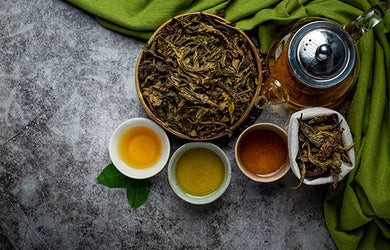
Allow freshly boiled water to cool for around two minutes before pouring. Aim for 75 to 85°C and steep for just 1 to 3 minutes.
Too much heat or time can quickly make green tea bitter.
Mao Feng Green Tea and Green Mint Tea are great places to start.
Brewing Green tea

How to brew herbal and fruit teas
Herbal teas are much more forgiving.
Use fully boiling water and steep for 5 to 7 minutes. Unlike traditional tea leaves, herbal infusions benefit from a longer brew and are less likely to become bitter.
Chamomile Flowers, Peppermint Leaves, and Lemon Ginger all shine with a longer steep.
How to brew chai
Chai likes heat, time, and a little patience.
Use freshly boiled water and steep for 4 to 5 minutes. The warming spices need time to fully develop their flavour.
Many people enjoy chai with a splash of milk or prepared as a chai latte.
Common tea mistakes and how to fix them
Using boiling water for green tea
The fix: Let your water cool for about two minutes before pouring.
Over steeping
The fix: Set a timer and remove the tea temple when brewing is complete.
Reboiling water
The fix: Always start with freshly drawn cold water.
Squeezing the tea bag
The fix: Don't squeeze.
Pressing the tea bag releases extra tannins into your cup, which can make tea taste bitter.
Your perfect cup is waiting
Making a better cup of tea doesn't require fancy equipment or complicated techniques.
A few small changes can make a huge difference.
Start with fresh water. Use the right temperature. Give your tea enough time to brew. And choose quality leaves that have room to shine.
That's really all there is to it.
The next time you put the kettle on, you'll know exactly how to brew tea for the best possible flavour. It might even become the best way to make tea at home.
FAQs
Why is my tea tasting bitter?
Tea can taste bitter if the water is too hot, it's brewed for too long, or the tea bag is squeezed after steeping. Using the right temperature and brewing time can help create a smoother, more balanced cup.
What temperature should water be for green tea?
Green tea is best brewed between 75 and 85°C. Let freshly boiled water cool for around two minutes before pouring.
How long should you steep a tea bag?
It depends on the tea type. Black tea generally needs 3 to 5 minutes, green tea 1 to 3 minutes, herbal tea 5 to 7 minutes, and chai around 4 to 5 minutes. If you're unsure how long to steep tea, use these timings as a guide.
Should I squeeze my tea bag when I take it out?
No. Squeezing releases extra tannins into the tea, which can make it taste bitter and astringent.
Does water quality actually affect how tea tastes?
Absolutely. Since tea is mostly water, using fresh, good-quality water can significantly improve flavour and aroma. Many tea lovers consider this the best way to make tea consistently at home.