






your gut has a hard job. it works through every meal, every rushed lunch, every holiday feast – and sometimes it just lets you know it's struggling.
that uncomfortable fullness after dinner, the bloating that seems to arrive for no reason, the low-grade nausea that lingers longer than it should. most of us get something familiar in those moments.
tea for digestion has been that something for thousands of years. across cultures and continents, long before anyone measured polyphenols.
some of it is tradition, some backed by research – either way, these are the ones people actually go for when their gut's off. here are nine types of tea for digestion worth trying.
we all know that uncomfortable feeling when the stomach feels a bit off. whether it’s from overindulging at a long meal or something just not sitting right, digestion issues can seriously ruin a good day.
that’s where a warm, soothing cup of tea for digestion often comes to the rescue. there’s something timeless about tea and digestion – a simple brew can bring comfort while gently helping the body settle after a meal.
tea for digestion has stood the test of time, even though there’s no shortage of remedies out there. when you need a remedy for the gut, try one from our list – you may not need anything else.

peppermint tea
peppermint is probably the most instinctive choice when your stomach's misbehaving – and there's a decent reason for that. the menthol in peppermint leaves acts as a smooth muscle relaxant. that means it can help ease the tension in your digestive tract that causes cramping and bloating.
research has shown that peppermint tea has a measurable relaxing effect on gut tissue. for anyone dealing with that uncomfortable tightness in the abdomen, this is one of the best teas to drink for bloating – full stop. if you're looking for the best tea for digestion that's also pleasant to drink, peppermint is hard to beat.
to get those benefits, try teapigs' peppermint leaves tea bags. they use whole peppermint leaves rather than ground powder. and that makes a noticeable difference in both flavour and impact.
Shop Teapigs Peppermint Leaves Tea Bags
ginger tea
ginger has been used to settle stomachs for centuries across cultures – and it works.
the real work comes from compounds in ginger root, particularly gingerols and shogaols. they help regulate gut contractions and speed up gastric emptying. that’s a clinical way of saying it helps food move along more efficiently. it's also one of the better-researched options for nausea and ibs symptoms.
the easiest way to get those benefits is from teapigs' lemon & ginger tea bags. they combine ginger with lemon for a slightly tart drink that still carries all of ginger's digestive properties. it’s good for nausea and bloating, and it’s actually pleasant to drink. if you prefer something sweeter, try the sweet ginger tea bags instead. either option gives you a great tea for digestion.
chamomile tea
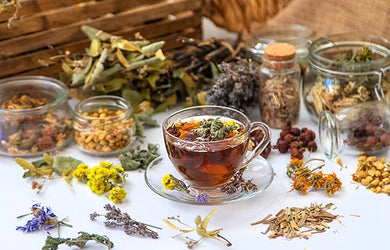
chamomile is often pigeonholed as a sleep tea, and it is good for sleep – but that sells it short as a tea for digestion. the flavonoids in chamomile are helpful in digestion. they help relax smooth muscle tissue in the digestive tract. this makes it useful for reducing cramping, easing bloating and reducing general gut irritation. it also has mild anti-inflammatory properties.
if you're after those benefits, the quality of the chamomile actually matters. whole flower heads work better than ground-up powder – they're more potent and produce a better drink. teapigs' chamomile flowers tea bags use exactly that, rather than the dusty stuff you sometimes see in supermarket sachets. its flavour is gentle and slightly honeyed.
it's often seen as the best tea for digestion after an evening meal, especially if tension tends to mess with your stomach.
Shop Teapigs Chamomile Tea Bags
liquorice root tea
liquorice root is a bit of an underrated ingredient when it comes to tea for digestion. most people don't think of it first, but it has a long tradition of use for soothing the gut lining.
the plant contains compounds like glycyrrhizin that have anti-inflammatory effects on gut tissue. it's especially effective on the stomach lining. it can help with heartburn and mild indigestion where the lining is irritated rather than just cramping.
the flavour is naturally sweet and earthy. some people love it, others need time to adjust.
if you want a more balanced version, try teapigs' liquorice and mint tea bags. the peppermint cuts through the sweetness and adds the digestive benefits of menthol. it’s one of the better blends when it comes to tea and digestion for gut-lining support.
fennel tea
fennel has been used after meals as a digestive aid for centuries. it’s been particularly popular across the mediterranean and south asia. the seeds contain a compound called anethole with antispasmodic and carminative properties. that means it relaxes the intestinal wall and reduces gas production at the same time.
that combination makes fennel particularly useful for the discomfort that comes from trapped wind after a heavy meal. it's also gentle enough to use regularly. the flavour is mild and slightly sweet, with a subtle anise quality.
when it comes to tea and digestion, fennel works well when bloating is food-related rather than stress or hormone-related. it's one of the best teas to drink for bloating in those situations. for that reason, it’s among the best tea for digestion.
lemongrass tea
lemongrass doesn't always make it onto digestion lists, which is a bit of an oversight. the essential oils in lemongrass – primarily citral – have digestive-stimulating and anti-inflammatory properties. the plant has a long history of use in southeast asian traditional medicine for settling the stomach and reducing bloating.
it's a gentler option than ginger – no heat, just refreshing. it’s gentle on the stomach, even when you're already feeling sensitive. the flavour is bright and citrusy – nice and aromatic without being sharp.
teapigs' pure lemongrass tea bags capture that well. they’re light and refreshing. great for warm weather, or when you want something light after a meal. as a tea for digestion, lemongrass is best as a gentle support rather than a strong antispasmodic.
Shop Teapigs Lemongrass Tea Bags
chai tea
chai tea is more complex than it's sometimes perceived. the blend typically includes ginger, cinnamon, cardamom, black pepper and cloves. almost every one of those spices has known digestive properties.
ginger and black pepper both support gastric motility – they both help food move through your system. cardamom is carminative, which means it helps reduce gas and bloating. cinnamon helps regulate blood sugar after meals, which can ease post-meal discomfort. together, these spices make chai one of the best teas to drink for bloating and post-meal sluggishness.
a good chai tea should use whole spices rather than flavoured black tea. teapigs' chai tea bags contain exactly that. the flavour is rounded and warming, not artificially sweet. as a tea for digestion, chai tea is far from medicinal – it's rich, spiced and really enjoyable.
green tea
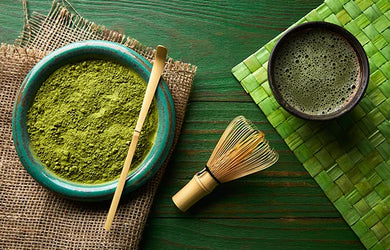
green tea's reputation tends to be dominated by its antioxidant content, but its digestive benefits are worth a separate mention. the catechins in green tea support the growth of beneficial gut bacteria. and that contributes to overall digestive health over time.
studies have also suggested that green tea can help regulate gut motility and reduce gut inflammation. the mild caffeine content plays a role too – it gently boosts digestive enzyme production.
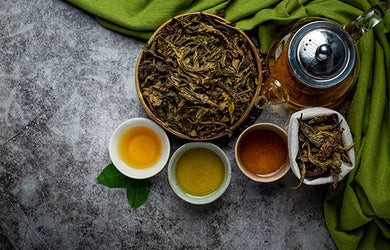
for those benefits, quality matters. teapigs' mao feng green tea bags use high-quality chinese green tea that produces a delicate and slightly grassy drink. it won't turn bitter if you brew it at the right temperature – around 75 to 80°c works best. as a daily tea for digestion, green tea is more about long-term gut health than quick relief.
Shop Teapigs Green Tea Bags
rooibos tea
rooibos is the most recent addition to the digestive conversation – not because it's new, but because the research is only catching up to what south africans have known for generations.
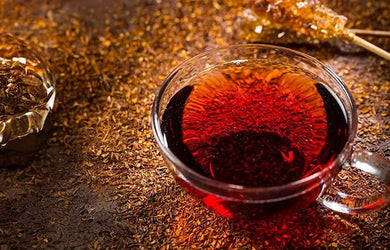
a 2025 study found that both fermented and green rooibos extracts strengthened gut cell proteins and reduced inflammatory markers. that's relevant for conditions like ibs and leaky gut. the research from stellenbosch university has also shown that rooibos acts as a prebiotic. it supports the growth of beneficial gut bacteria while inhibiting harmful strains.
it's caffeine-free, low in tannins and has antispasmodic properties that can help relieve cramping. the flavour is smooth, naturally sweet and easy to drink. for tea and digestion from a gut microbiome angle, rooibos is a good option. as a tea for digestion, it's particularly useful if you're caffeine-sensitive.
conclusion
a warm cup of tea for digestion isn't a cure-all, but it's also not nothing. these nine teas each offer something different for your gut.
the best tea for digestion is really the one that fits your situation – what you've eaten and what kind of discomfort you're dealing with. some work fast, and some work better when you drink them regularly. the connection between tea and digestion goes beyond tradition – there's real research behind many of these.
if you're not sure where to start, peppermint or ginger are the most versatile. they are among the best teas to drink for bloating when you need relief fairly quickly. the rest are worth exploring at feel like it.
faqs on tea for digestion
q. what tea is good for digestion at night?
a. chamomile is the best option for digestion at night. it relaxes gut muscles to ease bloating and cramping, while its calming properties help your body relax. peppermint works well, too, though chamomile is gentler if you're prone to acid reflux. rooibos is another great caffeine-free choice.
q. which tea is best for digestion?
a. tea made from peppermint leaves tea bags is one of the best choices for digestion. the natural oils from leaves help relax the digestive tract and reduce discomfort, bloating and gas. tea made from sweet ginger tea bags is another favourite, especially for nausea or sluggish digestion. both are gentle and effective.
q. what tea is good for digestion at night?
a. peppermint is usually the most effective choice for digestion and bloating. the menthol relaxes gut muscles quickly. fennel works well for post-meal gas specifically. if you’re looking for something long-term, go for rooibos and green tea. they support the microbiome and reduce inflammation over time.
q. does milk tea affect digestion?
a. milk tea’s effect on digestion can vary by person. those who are lactose intolerant may experience bloating or discomfort from the milk. in contrast, caffeine in tea can stimulate digestion for some but might upset sensitive stomachs. added sugars in some milk teas can also impact gut health if consumed in excess.