






It’s easy to go overboard on caffeine when you enjoy a few cups of tea throughout the day. While caffeine can be part of your routine, too much may leave some people feeling restless or affect their sleep.
The good news? You don’t have to give up your tea ritual. Adding a caffeine-free tea to your day is a simple way to enjoy another comforting cup without adding more caffeine. From cooling peppermint to warming ginger and naturally sweet rooibos, there are plenty of flavours to explore.
What defines caffeine-free teas?
Caffeine-free teas contain no naturally occurring caffeine. They are usually made from herbs, flowers, fruits, roots or spices rather than the Camellia sinensis tea plant.
That makes them different from decaf tea. Decaf tea starts with traditional tea leaves and then goes through a process to remove most of the caffeine.
So, if you're looking for caffeine-free tea, naturally caffeine-free herbal infusions are a great place to start.
How is caffeine removed from tea?
You may have heard that throwing away the first brew can remove all the caffeine from tea. Unfortunately, it isn't quite that simple. A quick steep may remove some caffeine, but it won't make the tea completely caffeine-free.
Commercial decaffeination uses specialised processes to remove most of the caffeine from traditional tea leaves. These can include water processing and carbon dioxide extraction.
If you specifically want non-caffeinated tea, naturally caffeine-free herbal infusions are the simpler choice. You don't need to remove caffeine because these ingredients don't contain it naturally.
Are there naturally caffeine-free tea varieties available?
Absolutely. Peppermint, chamomile, rooibos, hibiscus, ginger and lemongrass are all popular examples.
These ingredients come from plants other than Camellia sinensis, so they are naturally caffeine-free. Better still, they offer plenty of variety. You can go floral, fruity, minty, citrusy or warming depending on your mood.
Benefits of having caffeine-free tea
There are plenty of reasons to add a caffeine-free herbal tea to your routine. While caffeine has perks, such as helping with focus and energy, cutting back or switching to caffeine-free tea can be a simple way to support better sleep and create a calmer evening routine.
For some people, it means enjoying a comforting cup in the evening without adding more caffeine. For others, it's simply about having more choice throughout the day.
You might reach for peppermint after lunch, chamomile in the evening or ginger when you want something warming. It doesn't need to be complicated. Sometimes, you just want a delicious cup of tea without the caffeine.
10 teas that do not contain caffeine
1. Peppermint tea
Among caffeine-free teas, peppermint tea is a favourite for its cooling flavour. No earthiness, no floral notes. The flavour is clean, sharp and intensely minty.
The minty flavour comes from the peppermint leaves used in this tea. The leaves release menthol when you steep them. Drink it, and you get a tingle that feels refreshingly cold, even when the tea is hot. It leaves your mouth feeling refreshed for quite a while, even after you finish the drink.
Beyond taste, peppermint tea is known to ease bloating and digestive discomfort, freshen breath, and may even help clear blocked sinuses.
2. Super Fruit tea
The best thing about caffeine-free teas is that no two taste the same. At teapigs, we ensure that each blend is unique, and Super Fruit Tea is no different. It’s made from a blend of hibiscus, elderberries, currants, blackcurrants, cranberries and blueberries. The flavour is juicy, with a slight tartness that doesn’t need added sugar to feel satisfying.
The colour is also stunning. Hibiscus gives it a gorgeous, deep ruby red colour. Beyond the taste and looks, it’s loaded with antioxidants and vitamins that give you a quiet wellness lift.
You can enjoy this outstanding drink either hot or cold. Either way, it’s outstanding.
3. Chamomile tea
Chamomile tea is one of the classic caffeine-free teas. It’s made from whole yellow chamomile flowers, which are tiny, daisy-like flowers. When steeped, they open up and give the drink a lovely yellow colour.
The word chamomile comes from the Greek for "earth apple", and once you notice the scent, you can't unnotice it. It has a delicate floral scent with subtle apple notes.
It’s naturally sweet, so there’s no real need to add anything to it. But if you do enjoy a little extra sweetness in your tea, honey works beautifully. The flavour is soft and calming, making it perfect for evenings. In fact, among all the teas that are caffeine-free, it’s part of a bedtime routine for many.
4. Apple & cinnamon tea
The combination of sweet fruit and warming spice works effortlessly here. Apple & cinnamon tea is one of those teas that are caffeine-free but never feel plain.
When you brew it, the scent fills the air with spicy sweetness that’s comforting and familiar. It’s a combination that can instantly remind you of baked treats and relaxed morning moments.
The flavour mirrors that aroma, with bright apple tones softened by the gentle warmth of cinnamon, without needing any added sugar. This tea satisfies a sweet craving in a lighter way, with the bonus of antioxidants, vitamin C and calcium.
5. Sweet ginger tea
Another caffeine-free winner on our list is sweet ginger tea. Ginger gives a gentle heat that lingers pleasantly, while liquorice adds subtle sweetness. Real cinnamon is also in the blend, adding a touch of spice and rounding out the flavours.
The aroma is inviting, spicy, sweet and slightly earthy. The golden honey infusion looks as comforting as it smells. You get a lively yet smooth experience.
Beyond the flavour, this caffeine-free tea provides natural antioxidants and trace minerals. Overall, it’s a satisfying, bold, warming tea that contains no caffeine.
6. Rhubarb and ginger tea
Here’s a ginger tea with a twist. Fruity rhubarb is in the mix. This is how the pair works together in the Rhubarb and Ginger blend. Ginger adds a subtle warmth, while rhubarb adds a slightly tart note. Together, they create a drink that’s refreshing and balanced.
The golden pink infusion looks as inviting as it tastes and is worth considering at any time of day. This isn’t just a tasty combination. Rhubarb gives you antioxidants, while ginger supports your digestion and immunity.
This caffeine-free tea is a satisfying choice when you want flavour and wellness in one go.
7. Lemon & ginger tea
A favourite among caffeine-free teas, the Lemon & Ginger blend balances the tangy notes of lemon with the subtle spice of ginger. To round out the flavour, teapigs includes lemongrass and liquorice in the blend. They add a soft freshness and natural sweetness for an uplifting experience.
The golden honey infusion smells bright and refreshing, with warming spices that make the drink lively and comforting.
The blend also provides antioxidants and beneficial minerals, which contribute to its overall wellness appeal. If you’re looking for a caffeine-free tea that still feels lively, this is for you.
8. Rooibos tea
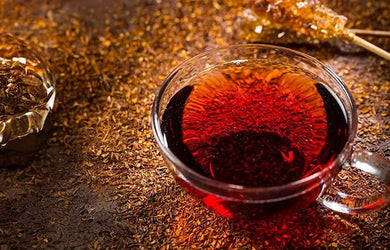
Here’s another soothing caffeine-free tea option: rooibos tea. A South African bush by the same name produces leaves that brew into an outstanding reddish gold drink. Rooibos has a naturally sweet flavour, with soft nutty undertones and earthy notes.
Teapigs offers two amazing variants. One is Spiced Winter Red, which blends rooibos with cinnamon, clove, and orange peel. It tastes softly sweet, with a warm and earthy flavour and subtle nutty notes.
The other is Honeybush & Rooibos, which combines the floral sweetness of honeybush with the classic rooibos flavour. Both variants come with antioxidants and minerals that provide mild wellness benefits.
9. Liquorice & mint tea
Here’s a naturally refreshing choice among teas that are caffeine-free: Liquorice & Mint. Sweet and earthy liquorice blends nicely with refreshing peppermint to create a balanced flavour. It feels lively without being overpowering.
The two ingredients work well together, each enhancing the other for a clean, layered taste.
This blend from teapigs uses quality liquorice root and whole peppermint leaves. When you steep the tea bag, you get a lovely green-yellow infusion with a sweet aroma. If you want a caffeine-free tea that still tastes naturally sweet and minty, this blend is an excellent choice.
10. Lemongrass tea
Rounding out our list of teas that are caffeine-free is lemongrass tea. As the name suggests, it’s made from the leaves and stalks of the lemongrass plant. It creates a naturally bright and aromatic drink that’s light and refreshing.
The flavour is bright, with natural lemony notes and a subtle grassy depth. Its aroma is equally fresh, giving a lively scent that matches the taste perfectly.
This blend is known for its naturally sweet, lime-like character and uncomplicated profile. So, if you’re looking for a caffeine-free tea that still tastes naturally citrusy, this is a great option.
Difference between teas without caffeine vs teas with caffeine
The main difference between caffeine-free teas and caffeinated teas is their source and how they affect the body.
Caffeine-free teas are usually called herbal infusions. They get that name because of their source. Instead of tea leaves, these drinks are made from herbs, flowers, roots, fruits or spices. Since none of these ingredients come from the tea plant, caffeine simply isn’t part of the equation. Chamomile, peppermint, rooibos, lemongrass and ginger are well-known examples. Their taste range is broad, moving from soft and floral to citrusy or gently spiced, depending on the ingredients.
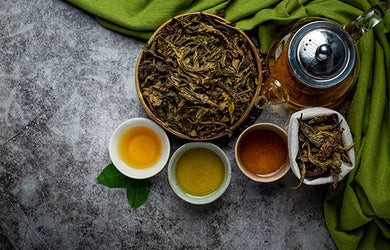
Caffeinated teas follow a different style. Black, green, white and oolong teas all come from the Camellia sinensis plant. Because the leaves naturally contain caffeine, these teas do as well. However, the caffeine levels can vary depending on processing and brewing. Their flavours can range from light and grassy to malty, roasted or brisk, depending on the tea variety.
Teas that are caffeine-free
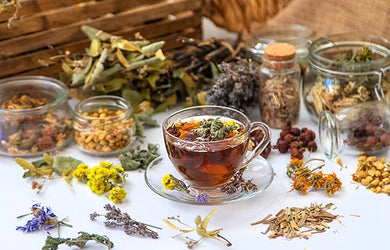
If you’ve ever wondered what tea does not have caffeine, the answer lies in herbal teas, also known as tisanes. These herbal teas are made from a variety of plants, herbs, spices, fruits, roots and flowers. Because they come from caffeine-free sources, they’re naturally caffeine-free.
Popular options include chamomile, peppermint, rooibos, lemongrass, ginger, and hibiscus. They’re usually picked for their soothing properties and are great for relaxation, digestion and other health benefits. In terms of flavour, herbal teas often offer a broader range, from floral and sweet to earthy and spicy.
Teas with caffeine
Caffeinated teas, in contrast, are made from the Camellia sinensis plant. This is the plant responsible for all your familiar black, green, white and oolong teas, all of which naturally contain caffeine. The amount varies depending on how the tea leaves are processed. Generally, these teas provide a gentle stimulating effect. You might also notice that some tend to have bolder flavours, often linked to their oxidation levels.
These teas are known to boost alertness, focus and energy due to their caffeine content. They also contain compounds like catechins and L-theanine, which may have potential health benefits.
Can kids and pregnant women drink teas that are caffeine-free?
Many caffeine-free teas can be suitable for kids and pregnant women, but it depends on the specific ingredients in each blend.
For children, mild herbal teas like chamomile, lemongrass and peppermint are often used for their soothing properties. Since these are natural and also examples of teas that do not have caffeine, they’re considered better choices than artificial fizzy drinks. However, not all herbal ingredients are ideal for children, so it’s best to avoid stronger herbs in large amounts.
During pregnancy, many women prefer comforting drinks, and caffeine-free teas can be a great option. They're particularly appealing for managing common pregnancy discomforts like nausea, bloating or even those frustrating sleepless nights. However, it’s best to avoid teas made from strong herbs.
Conclusion
If you’ve ever wondered what tea does not have caffeine yet still tastes great, this list answers that clearly. These ten teas show how much variety exists once you open up to experiences beyond the traditional ones.
And it does so without losing the comfort, warmth, and aroma you love about tea. Caffeine-free tea can feel just as satisfying and interesting.
In short, choosing teas that are caffeine-free doesn’t mean giving up what you already enjoy or replacing traditional favourites altogether. It simply adds more flexibility to your routine, letting you explore new flavours while keeping your caffeine intake balanced and easy to manage throughout the day.
FAQs on caffeine-free tea
Which tea does not contain caffeine?
If you’re wondering about tea that does not contain caffeine, there are plenty of options. Herbal infusions like chamomile, peppermint, rooibos, lemongrass and ginger don’t contain any caffeine. The ingredients you can use to make these herbal infusions are almost limitless. This gives you a wide range to enjoy throughout the day.
Is tea without caffeine safe for children to drink?
Caffeine-free teas can be a safe choice for children. However, it’s better to stick to mild options like chamomile, peppermint or lemongrass. These herbs are gentle and soothing, making them a popular choice for children. You can also enjoy them after meals.
Is chamomile tea without caffeine?
Chamomile tea doesn’t contain any caffeine. It’s made using dried chamomile flowers and produces a light herbal infusion with a soft floral flavour. Among caffeine-free teas, this one is popular for helping create a calm evening ritual. Its soothing qualities make it a favourite bedtime drink.
Which is the best tea that is caffeine-free?
There's no single best caffeine-free tea. It depends on what you're keen on. Chamomile works brilliantly when you need to wind down. Peppermint or Liquorice and Mint are better picks for something refreshing without the caffeine. They all have their strengths, so choose what suits you right now.
Does black tea have caffeine?
Yes. Black tea naturally contains caffeine because it comes from the Camellia sinensis plant. The amount varies by blend and brewing method. If you want caffeine-free tea, choose a naturally caffeine-free herbal infusion instead.
Does herbal tea have caffeine?
Most herbal teas are naturally caffeine-free because they aren't made from Camellia sinensis. Peppermint, chamomile, rooibos and lemongrass are good examples of naturally caffeine-free teas.

1 comment
- Liquid error (sections/main-article line 115): Could not find asset snippets/comment.liquid