






Disclaimer :- The health benefits mentioned are drawn from existing research found online and are provided for informational purposes only. They are not intended to substitute professional medical advice, diagnosis, or treatment. It's essential to consult with a qualified healthcare professional before making any changes to your health regimen based on this content.
you probably already drink peppermint tea and know how good it feels. that extraordinary aroma after a long day does something before you've even properly started drinking – the steam alone opens up your breathing.
that’s why people have been using it for a long time, way before anyone thought to put it in a tea bag. they realised very early that the peppermint tea benefits go past that simple experience. there's research showing this caffeine-free brew does good things inside your body. things worth knowing about if you're already drinking it anyway. below, we break down those peppermint tea benefits for you.
what is peppermint tea?
peppermint tea is an herbal drink made by infusing fresh or dried peppermint leaves in hot water. it can even be made using cold water – it just takes longer; the peppermint tea benefits remain the same.
if you’re wondering what exactly peppermint is – it’s a hybrid herb native to europe and asia. basically, it’s a cross between watermint and spearmint. that means it has nothing to do with the camelia sinensis plant – the source of traditional tea that has caffeine. so, yes peppermint is naturally caffeine-free, making it suitable for consumption even before bedtime. its lack of caffeine also means you can enjoy it without worrying about the side effects often linked with caffeinated drinks.
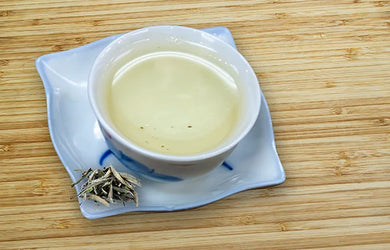
there is more to this plant – its leaves contain essential oils, like menthol, which give the tea its unique minty aroma and taste. when it’s steeped in water, these oils are released, creating a light-yellow drink. this drink has been used for centuries for its medicinal properties and is commonly recommended for various disorders.
while more research is needed to prove how peppermint tea benefits, this drink can still be a good addition to your diet.

the health benefits of peppermint tea
let’s explore some of the peppermint tea benefits.
1. may provide digestive relief
this is probably the most well-known of all peppermint tea benefits, and for good reason. the menthol in peppermint relaxes smooth muscles in your gastrointestinal tract, which helps ease bloating, gas, and that heavy post-meal discomfort.
research on ibs patients found peppermint oil capsules improved symptoms in 40% of participants within four weeks. a separate study showed it also reduced stomach aches in children. if your gut is playing up after a meal, some warm peppermint tea is worth reaching for before anything else.
2. may sharpen concentration and alertness
one of the more interesting health benefits of peppermint tea involves your brain. a 2024 randomised controlled trial found that just one cup of peppermint tea significantly boosted memory speed, long-term recall, and alertness in healthy adults. the researchers also measured increased cerebral blood flow using near-infrared spectroscopy – meaning more oxygen was reaching the brain.
earlier studies had linked menthol to reduced mental fatigue in students under stress. the peppermint tea benefits here aren't namesake – this is measurable cognitive improvement from a single cup. worth remembering next time the afternoon fog rolls in.
3. may support your immune system
the benefits of drinking peppermint tea include real antibacterial, antiviral and antioxidant properties. research shows peppermint oil can inhibit harmful bacteria including e. coli, listeria, salmonella, and staphylococcus aureus. it also reduces oral bacteria linked to gum disease.
then there's rosmarinic acid, a polyphenol in peppermint leaves with anti-allergenic properties – studies suggest it may lower the body's histamine response, easing seasonal allergy symptoms like congestion and itchy eyes. among the subtler peppermint tea benefits, there’s immune support. it won't replace a flu jab, but the benefits of drinking peppermint tea daily add a useful layer of defence.
4. may ease headaches and migraines
among the most practical health benefits of peppermint tea is headache relief. menthol is both an analgesic and anti-inflammatory agent, which explains peppermint's long history as a go-to remedy. a double-blind study on 35 migraine sufferers found that a menthol solution provided better pain relief than placebo, including reduced nausea and light sensitivity.
menthol is thought to cool the skin and improve blood flow, easing pressure in the head. most clinical evidence focuses on topical peppermint oil rather than tea, but the warm steam and absorbed menthol from a cup may still help relax tension around the temples. the benefits of drinking peppermint tea for headaches are worth trying before reaching for stronger options.
5. may freshen your breath
there's a reason peppermint dominates toothpaste aisles. its antibacterial properties target the germs that break down proteins in your mouth and produce foul-smelling compounds. a study on post-surgical patients found a rinse with peppermint, tea tree and lemon oils noticeably improved breath.
among the more overlooked health benefits of peppermint tea, fresher breath comes from menthol and related compounds released during steeping. not a replacement for brushing, obviously, but these peppermint tea benefits are a pleasant bonus. having some peppermint tea after lunch does double duty for your mouth and your gut.
6. may relieve sinus congestion
when your nose feels packed solid, the benefits of drinking peppermint tea become obvious pretty quickly. menthol acts as a natural decongestant and research shows it improves the perception of airflow through nasal passages. the warm steam from a freshly brewed cup helps too – older studies on warm liquids found temporary relief from runny nose, cough and sore throat.
peppermint's antimicrobial properties may also help your body tackle the underlying infection. during cold season or allergy flare-ups, this is one of the more practical peppermint tea benefits, and one you'll feel almost immediately.
7. may lift your energy levels naturally
a caffeine-free tea that boosts energy sounds contradictory, but the science holds up. menthol has been shown to reduce feelings of mental fatigue and improve performance on demanding cognitive tasks. one study found participants who inhaled peppermint oil felt less tired and performed better than a control group.
the benefits of drinking peppermint tea for energy come from both the menthol absorbed through drinking and the invigorating aroma. it's not a caffeine hit, but you do feel more alert. peppermint tea benefits your afternoon without sabotaging your sleep, which makes it a smarter pick than that third or fourth coffee.
8. may help ease menstrual cramps
peppermint's antispasmodic properties extend beyond the gut. the same muscle-relaxing effect that helps digestion can ease uterine contractions during your period. a study found peppermint extract reduced both the intensity and duration of menstrual cramps, with participants reporting lower pain levels.
other research highlights peppermint's anti-inflammatory and analgesic phytochemicals, which work by relaxing tightened muscles and improving blood flow. the peppermint tea benefits for period pain are most noticeable during those first couple of rough days. it's not a substitute for prescribed pain relief, but it can take the edge off.
9. may promote better sleep
direct evidence linking peppermint tea benefits to improved sleep is limited, but the indirect case is strong. it's caffeine-free with natural muscle-relaxing properties, making it a sensible bedtime choice. a study on cancer patients found that inhaling peppermint and lavender oils led to measurable improvements in sleep quality scores.
the benefits of drinking peppermint tea at night come from calming the nervous system and easing digestive discomfort that might otherwise keep you up. peppermint tea benefits your sleep routine even if part of the effect is ritual and warmth – that still counts.
10. may support weight management
peppermint tea won't melt fat – at least not magically. but a small study found peppermint oil capsules reduced appetite by slowing gastric motility when the stomach was empty. that made participants feel less hungry between meals.
as a naturally calorie-free drink with mild sweetness, it also works as a smart swap for sugary beverages. the research on direct weight loss still needs more work, but the peppermint tea benefits for managing cravings and cutting empty calories are real enough. the benefits of drinking peppermint tea here are practical – if you're trying to kick a soft drink habit, it's a good start.
how to make peppermint tea at home?
making peppermint tea at home takes about five minutes. if you're using teapigs peppermint leaves, even easier – the tea temples do the work for you.
ingredients:
• 1-2 teapigs peppermint tea temples or 1-2 teaspoons of loose leaf
• 1 cup of freshly boiled water
• sweetener (optional)
instructions:
1. boil fresh water in a kettle or pot.
2. drop in your tea temple or add loose leaves to the water. let it steep for 3-5 minutes. longer steeping means stronger flavour and more menthol.
3. remove the tea temple or strain the leaves. add a sweetener of your choice, if you like. it's lovely on its own, though.
the peppermint tea benefits are the same for hot or iced. for the iced version, brew it stronger and pour over ice.
who should avoid drinking peppermint tea?
well, there are usually no concerns about drinking peppermint tea but it's better to be aware of certain precautions for some individuals. here are some people who might want to avoid peppermint tea:
- people with acid reflux or gastroesophageal reflux disease (gerd): peppermint can sometimes relax the lower esophageal sphincter (a muscle that helps keep stomach acid from flowing back up into your throat), which can worsen acid reflux symptoms.
- individuals with gallbladder problems: peppermint may stimulate the gallbladder and can cause discomfort in those with gallbladder issues.
- people taking certain medications: peppermint may interact with some medications, such as blood thinners. so, if you're on any medications, it’s better to consult your doctor.
how much peppermint tea should you drink?
there are no hard and fast rules on how much peppermint tea you should drink. most people find that drinking 2 to 3 cups of peppermint tea a day is enough to get the benefits. but some people can drink up to 4 or 5 cups without any problems.
since peppermint tea doesn't have caffeine, you can drink it anytime – even in the evening. however, drinking too much peppermint tea can sometimes cause diarrhea or make you feel drowsy. if you experience any adverse effects, it's recommended to reduce your consumption or discontinue drinking altogether.
when is the best time to drink peppermint tea?
because it's caffeine-free, peppermint tea works at any hour. mornings, it can settle your stomach before breakfast. mid-afternoon, it sharpens focus without any caffeine crash later. in the evening, its muscle-relaxing properties make it a solid wind-down drink.
after meals is another good window, especially if bloating tends to be an issue for you. most people find two to three cups a day work well, though some may go for more. the peppermint tea benefits build up with regular drinking, so consistency matters more than picking the perfect time. just find what works for your routine and stick with it.
possible risks and side effects of peppermint tea
for most people, peppermint tea is completely fine to drink daily. the only group that should genuinely watch out is those with gerd or a hiatal hernia – menthol relaxes the lower oesophageal sphincter, which can make reflux worse.
if you have gallbladder issues or kidney stones, it's also worth checking with your doctor. same goes if you're pregnant, breastfeeding or on medication for blood sugar or blood pressure. allergic reactions are rare. some people notice drowsiness or loose stools if they drink a lot. but two to three cups a day won't cause problems for most people.
conclusion
the peppermint tea benefits covered here aren't exaggerated wellness claims. they come from peer-reviewed research on real compounds – menthol, rosmarinic acid, flavonoids – that do helpful things in your body.
digestive relief, sharper focus, immune support, headache ease. it does a lot for something that takes five minutes to make. the research still has some gaps, especially around tea versus concentrated peppermint oil. but as a caffeine-free, calorie-free drink you can have any time of day, the benefits of peppermint tea are hard to argue with. give it a proper go for a couple of weeks and see how you feel.
faqs on benefits of peppermint tea
q. what are the health benefits of peppermint tea?
a. peppermint tea benefits include better digestion, headache relief, sharper focus, fresher breath, sinus relief and immune support. the main active compounds are menthol and rosmarinic acid, which have anti-inflammatory, antibacterial and antioxidant effects. it's also caffeine-free, so you can drink it any time of day without worrying about your sleep.
q. can i drink peppermint tea every day?
a. most people can safely have two to three cups a day and get the full peppermint tea benefits without any issues. some drink more without problems. if you have gerd, gallbladder problems, or take certain medications, check with your doctor first. scale back if you notice digestive discomfort or drowsiness.
q. why is peppermint tea good at night?
a. it's caffeine-free with natural muscle-relaxing properties, which makes it calming before bed. the warmth and aroma help reduce stress and ease any digestive issues that might keep you awake. direct sleep evidence is limited, but the benefits of peppermint tea at night are mostly about helping your body wind down.
q. is peppermint tea anti-inflammatory?
a. yes. peppermint contains menthol and rosmarinic acid, both with demonstrated anti-inflammatory effects. they work by inhibiting pro-inflammatory cytokines, the chemical messengers that ramp up your body's inflammatory response. this makes health benefits of peppermint tea relevant for conditions linked to chronic inflammation. it's not a replacement for medical treatment, though.
q.will peppermint tea flatten your stomach?
a. not through fat loss. but it can reduce bloating by relaxing digestive muscles, which may make your stomach feel flatter. it also curbs appetite by slowing gastric motility, making you less hungry between meals. as a calorie-free swap for sugary drinks, peppermint tea benefits for managing cravings are practical.
q.is green tea or peppermint tea better?
a. they do different things. green tea has caffeine and catechins linked to metabolism and heart health. peppermint tea is caffeine-free and better suited to digestion, relaxation and headaches. neither is objectively better. many people enjoy the benefits of drinking peppermint tea alongside green tea at different times of the day.
Must Read
Black tea benefits | Green tea benefits | Herbal tea benefits | Peppermint tea benefits | Chamomile tea benefits | Rooibos tea benefits | Raspberry leaf tea benefits | Oolong tea benefits | Nettle tea benefits | Benefits of kombucha tea | Cinnamon tea benefits