






Ever stood in the tea aisle wondering whether to reach for green tea or herbal tea?
You're not alone.
At first glance, they seem pretty similar. Both are brewed with hot water, both come in tea bags or loose leaf, and both are popular choices throughout the day.
But here's the interesting part. They aren't actually the same thing.
When it comes to Herbal Tea vs Green Tea, the biggest differences come down to what they're made from, whether they contain caffeine, how they taste, and when people usually enjoy them.
Let's pop the kettle on and break it down.
What is herbal tea?
Despite the name, herbal tea isn't technically tea.
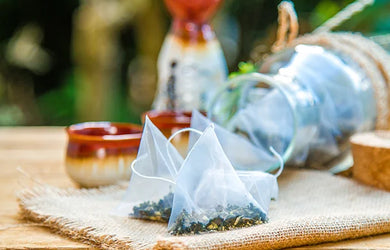
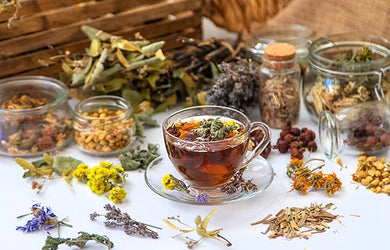
It's what's known as a tisane. That simply means it's made by infusing dried herbs, flowers, fruits, roots or spices in hot water.
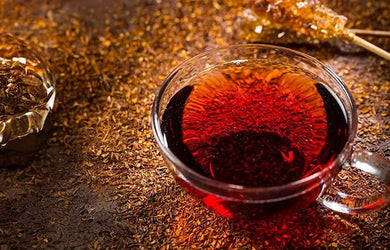
Think chamomile flowers, peppermint leaves, lemon ginger or rooibos. None of these come from the tea plant.
That's why herbal teas come in such a huge variety of flavours. Every ingredient brings something completely different to the cup.
The key differences between herbal tea and green tea
1. What they are made from
This is where the biggest difference begins.
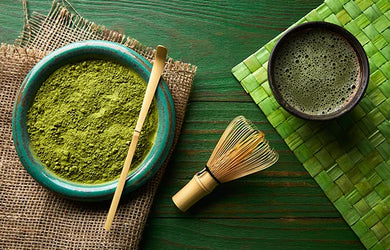
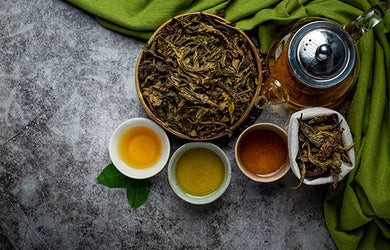
Green tea comes from the Camellia sinensis plant. It's exactly the same plant used to make black, white, and oolong tea. The only difference is how the leaves are processed after they're picked.
Herbal tea is completely different.
Instead of tea leaves, it's made from ingredients such as peppermint, chamomile, ginger, hibiscus, lemongrass, or rooibos.
So when people compare Herbal Tea vs Green Tea, they're really comparing two completely different drinks.
2. Caffeine is the biggest difference
If caffeine matters to you, this one's easy.
Green tea naturally contains caffeine, usually somewhere between 20 and 45mg per cup.
Herbal tea doesn't.
Because herbal teas don't contain tea leaves, they're naturally caffeine-free. That's why many people choose them in the evening or whenever they fancy another cuppa without worrying about caffeine.
If you're moving away from coffee, green tea often feels like a gentler place to start. It still contains caffeine, but considerably less than a typical cup of coffee.
3. Taste: What should you expect?
This one comes down to personal preference.
Green tea has a light, fresh flavour that's often described as grassy, vegetal or slightly nutty.
Herbal tea is far more varied.
Fancy something floral? Chamomile.
Something crisp and cooling? Peppermint.
Prefer warming flavours? Lemon ginger or rooibos might be more your style.
If you've tried green tea before and found it a little grassy, don't write off tea altogether. There are plenty of types of herbal tea that taste completely different.
4. When to drink each
There aren't any strict rules, but most people naturally reach for different teas throughout the day.
Green tea is often enjoyed in the morning or early afternoon thanks to its gentle caffeine content.
Herbal tea can be enjoyed any time because it doesn't contain caffeine.
Many tea drinkers enjoy both. Green tea to start the day. Herbal tea when it's time to wind down.
One small brewing tip?
Green tea prefers slightly cooler water at around 80°C. Herbal teas are made with freshly boiled water.
A closer look at each: what's actually in your cup?
Green tea: what it is and who it suits
Green tea is one of the least processed teas available.
Soon after the leaves are picked, they're gently heated to stop oxidation. That's what helps them keep their vibrant green colour and delicate flavour.
It's no surprise that green tea is enjoyed every day across Japan, China and Korea.
If you're looking for a light morning drink or a gentle alternative to coffee, green tea could be worth exploring.
At teapigs, our Mao Feng Green Tea is made with whole leaves that create a naturally smooth, slightly sweet cup without the bitterness people often associate with green tea.
Just remember not to use boiling water. Let the kettle cool for a couple of minutes first.
Herbal tea: what it is and who it suits
Herbal tea is much broader.
Every blend tells a different story.
Chamomile Flowers are made from delicate dried flowers and offer a soft floral flavour.
Peppermint Leaves are cool, crisp and wonderfully refreshing.
Lemon Ginger combines bright citrus with warming ginger for a cup that's full of character.
One of the reasons people love exploring types of herbal tea is the variety. There's usually a blend to suit every mood, season or moment of the day.
Types of green tea offered by teapigs
If you're curious about exploring more than one green tea variety, teapigs has a few favourites worth trying.
Mao Feng Green Tea – Smooth, naturally sweet and made with whole tea leaves.
Shop Teapigs Mao Feng Green Tea bags
Green Mint Tea – A refreshing combination of green tea and cooling mint.
Shop Teapigs Green Mint Tea bags
Each green tea variety has its own personality, so it's worth trying a few to find your favourite.
Types of herbal tea offered by teapigs
Looking to explore more types of herbal tea?
Here are a few blends our customers love:
Chamomile Flowers – Gentle, floral and naturally caffeine-free.
Shop Teapigs Chamomile Tea Bags
Peppermint Leaves – Fresh, cooling and wonderfully refreshing.
Shop Teapigs Peppermint Tea Bags
Lemon Ginger – Bright citrus with warming ginger.
Shop Teapigs Lemon Ginger Tea Bags
Honeybush and Rooibos – Naturally sweet with a smooth finish.
Shop Teapigs Honeybush and Rooibos Tea Bags
Whether you're after something light, zingy or comforting, there's a herbal tea for every occasion.
Which should you choose: green tea or herbal tea?
The good news?
You don't really have to choose.
Many tea drinkers enjoy both, depending on the time of day and their mood.
Choose green tea if...
-
You'd like a gentle alternative to coffee.
-
You enjoy clean, fresh flavours.
-
You usually drink tea in the morning or early afternoon.
-
You're interested in exploring different green tea variety options.
Choose herbal tea if...
-
You'd prefer something naturally caffeine-free.
-
You enjoy trying different flavours.
-
You're looking for an evening tea.
-
You love exploring new types of herbal tea.
At the end of the day, the best cup of tea is simply the one you look forward to drinking.
FAQs
Is green tea the same as herbal tea?
No. Green tea comes from the Camellia sinensis plant, while herbal tea is made from herbs, flowers, roots, fruits or spices.
Does herbal tea have caffeine?
Most herbal teas are naturally caffeine-free because they don't contain tea leaves.
Which is better for you: green tea or herbal tea?
Rather than one being "better", it usually comes down to personal preference, flavour and when you plan to drink it. Both can be enjoyed as part of a balanced lifestyle.
Can I drink herbal tea instead of green tea at night?
Absolutely. Many people choose herbal tea in the evening because it's naturally caffeine-free.
What is the difference between a tisane and tea?
A tisane is an infusion made from herbs, flowers, fruits or roots rather than the tea plant. Green tea, black tea, white tea and oolong all come from Camellia sinensis, while herbal teas are technically tisanes.