






if you've ever asked what is clotted cream, you're not alone – it sounds fancy but it's actually pretty simple. it comes from southwest england – a thick, golden-crusted cream traditionally spooned over warm scones with jam.
once you've had the real thing, regular whipped cream doesn't quite compare. you also don't need to hunt it down at a specialty store. this clotted cream recipe shows you how to make clotted cream at home using one ingredient and a low oven. most of the time is just waiting, which honestly suits most of us fine.

what is clotted cream?
it's a traditional british cream with roots in devon and cornwall, where farmers have been making it for centuries. you might hear it called scalded cream. it came over with the british afternoon tea tradition and it's been a part of aussie tea culture ever since – you'll spot it at most proper high teas and devonshire tea spreads.
the method is low and slow. heavy cream goes into an oven at a gentle temperature for roughly 12 hours. moisture evaporates, the fat-rich portion rises, and thick golden clots form across the surface. what you're left with is a spread at roughly 55% butterfat, well above what standard heavy cream offers.
taste-wise, think of really good unsalted butter but slightly sweeter, with faint nutty undertones from all that time in the oven. the texture is dense and a bit grainy – somewhere between mascarpone and creme fraiche, but richer than both. it’s one of those foods that's hard to substitute once you know what it actually tastes like.
what does clotted cream taste like?
if you've had really good unsalted butter and thought "i wish this was creamier," that's roughly what clotted cream tastes like. the flavour is mildly sweet and buttery, with nutty, slightly caramelised notes that develop during the long slow bake. it's not tangy like creme fraiche or sour cream – closer to something between soft butter and thick custard.
texture-wise, it's dense and spoonable, with a thin golden crust on top that you break through with a spoon. most people who try this cream for the first time don't really go back to regular whipped cream on their scones. once you try this clotted cream recipe, you'll probably get why.
how to make clotted cream at home
this clotted cream recipe needs just one ingredient and some time. here's how to make clotted cream at home using the oven method.

Total Servings:-
12

Preparation Time:-
5 Minutes

Cooking Times:-
12 hours
Chilling time:-
8-12 hours
Total time:-
~21 hours

Nutritional Value:-
101 calories, 11g fat, 1g carbs, 1g protein

Recipe Category:-
spread/topping

Cuisine:-
British
equipment:
oven-safe shallow dish (ceramic or glass), slotted spoon, airtight container
ingredient:
• 450ml heavy cream (pasteurised, not ultra-pasteurised)
instructions:
1. preheat – set oven to 80°c (175°f).
2. pour – add cream to your dish, about 4–5cm deep.
3. bake – middle shelf, 12 hours undisturbed. a golden crust will form on top.
4. cool – let it reach room temperature. it'll look runny – that's normal.
5. chill – cover and refrigerate for 8-12 hours.
6. skim – lift the thick layer off the whey with a slotted spoon. mix the golden crust through.
7. serve – spoon onto scones with jam, toast or fresh berries. save the leftover whey for baking.
using clotted cream in traditional tea
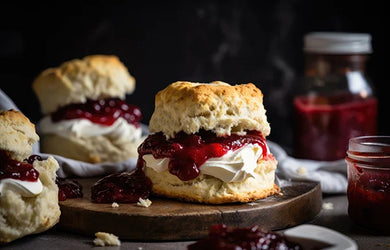
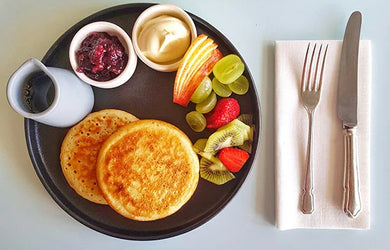
this luxurious and smooth delight completes the traditional tea experience by bringing in a rich and indulgent touch. clotted (or scalded) cream is the perfect one to be paired with jam for warm scones. let’s explore how you can properly enjoy scones with jam and cream during a traditional tea gathering.
first, scoop out the cream and jams onto your plate from the little containers served at your table. use the provided spoons for each of the containers to avoid cross-contamination. now, with your plate ready with jam and cream, break a scone horizontally into half with your hands or a knife (better to use hands), and use the knife to generously slather on jam and then cream. and remember not to make a scone sandwich – each part is meant to be eaten separately with jam and cream.
why not go ahead and give it a shot? your tea moment awaits a touch of cream perfection!
clotted cream vs whipped cream
both the creams are amazing dairy toppings but they’ve several differences in flavour, texture, production and culinary application.
major differences
fat content: clotted (or scalded) cream has around 55% fat, which surpasses the fat content of whipped cream, which hovers around 30% to 40%.
flavour: clotted cream features a subtle sweet and nutty flavour while whipped cream tends to be relatively neutral in taste. however, flavour enhancement can be done in both of them.
texture: while heavy cream acts as a base for both creams, their method of preparation is different – resulting in different textures. whipped cream is aerated into airy peaks, whereas the other one has a dense texture resembling that of butter.
production: scalded cream is formed through a gradual heating process followed by several hours of chilling. it takes around 20 hours to make this cream. however, whipped cream is produced by vigorous whisking or using an electric mixer to beat the cream until it thickens.
tips for the perfect clotted cream recipe
heavy cream: steer clear of ultra-pasteurised cream as the heat treatment affects the results; opt for pasteurised or, ideally, unpasteurised if available.
monitor oven: keep an eye on your oven occasionally, especially if there’s no provision to set the temperature to the required 80°c. additionally, ensure there are no hot spots in the oven, as higher temperatures at some places may lead to the browning of the cream.
avoid excessive cream: whether using one large dish or multiple smaller ones, maintain a cream depth of 1 ½-2 inches.
chilling step: remember not to skip this step as it’s crucial for achieving the desired thickness and consistency of the cream.
skimming: skim gently and avoid mixing the excess liquid (whey) to preserve the cream's thickness and consistency.
patience pays: preparing this cream takes a lot of time – 12-hours of heating period and then an additional time of around 8-10 hours for chilling. therefore, you must plan ahead to ensure it's ready when you need it.
faqs on clotted cream
q. how long does homemade clotted cream stay fresh?
a. homemade clotted cream keeps well in the fridge for around 3-5 days when stored in an airtight container. if you need it to last longer, you can freeze it for up to 3 months. thaw overnight in the fridge and give it a stir before serving.
q. can i use clotted cream in desserts other than scones?
a. yes, you can. clotted cream works well as a topping on pies, tarts, cakes and fresh fruit. you can also fold it into ice cream bases or use it to add richness to fudge. it's thick enough to hold its shape, so it works anywhere you'd normally reach for whipped cream but want something richer.
q. how long does it take to make clotted cream?
a. if you're wondering how to make clotted cream, the total time is around 20-21 hours – 12 hours of slow baking and then 8-12 hours of chilling in the fridge. the hands-on work is about 5 minutes though, so most of that time you're just waiting.
q. what are some common mistakes to avoid when making clotted cream?
a. the most common one is using ultra-pasteurised cream – it won't clot properly. other mistakes include setting the oven too high (stick to 80°c), not chilling long enough, and accidentally stirring the whey back into the cream when skimming. patience is the main ingredient in any good clotted cream recipe.
q. what is clotted cream also called?
a. clotted cream goes by a few names depending on where it's from. you might see it called scalded cream, clouted cream, devonshire cream, devon cream or cornish cream. they all refer to the same type of product – thick, heat-treated cream with a high butterfat content. the name often just reflects the region where it was made.
q. is clotted cream the same as thickened cream?
a. no, they're quite different. thickened cream – what you'll commonly find in aussie supermarkets – has around 35% milk fat and usually contains added thickeners like gelatine or vegetable gum. clotted cream has a minimum of 55% butterfat and gets its thickness from slow heating, not additives. the texture, fat content, and flavour are noticeably different.

1 comment
- Liquid error (sections/main-article-recipe line 159): Could not find asset snippets/comment.liquid